In 2026, stress is not just a passing feeling. It is our normal state of being.
Our phones buzz all day. Slack channels ping non-stop. The news cycle never takes a break. We feel totally over-stimulated and deeply tired.
Many of us try to escape the digital noise. We swap our smartphones for the best dumbphones to reclaim our focus. We use the best app blockers to silence annoying alerts.
But the “Digital Mental Health” market is still booming. Millions of people turn to their phones to find peace. It feels ironic. You use the exact source of your stress to try and cure it. But it actually works.
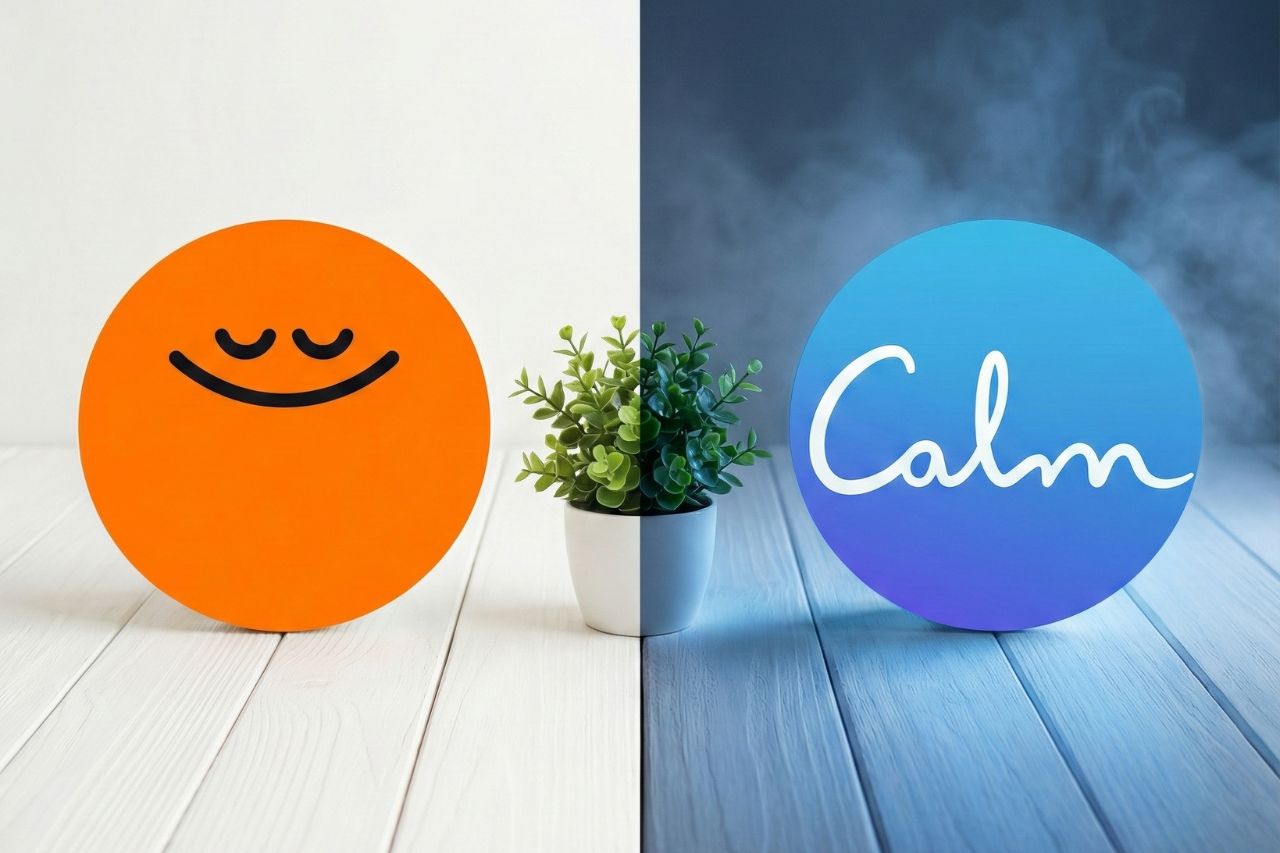
Type “Meditation” into the App Store. You will see far too many choices. But two giants stand high above the rest: Headspace and Calm.
To a new user, they look the same. They cost about the same amount of money. They both promise better sleep and less anxiety. Millions of people use them every day.
Headspace boasts over 102 million downloads. Calm has over 2 million five-star reviews. But they are very different tools.
Here is our ultimate guide to help you choose. Find out which app deserves a spot on your home screen.
Why We Feel So Stressed Today
Before we pick an app, we need to understand the problem. Why do we feel so anxious? The reasons change from person to person. But some triggers hit almost everyone.
Major life changes cause huge stress. Moving to a new home, starting a new job, or losing a loved one triggers deep anxiety.
Work pressure is another big factor. High workloads, tight deadlines, and tough bosses burn us out fast. We also face heavy financial challenges. Job loss, debt, and struggling to pay bills create serious mental burdens.
Our screens make all of this worse. We see bad news constantly. This is why using an app to fix phone-induced stress feels weird. But these apps use real science to fight the noise.
Why We Cannot Sleep
Many people download these apps just to get some rest. Trouble sleeping comes from many places.
High levels of stress make it hard to relax at night. Racing thoughts and an overactive mind keep you awake. We also have poor sleep habits. We drink too much caffeine or use bright screens right before bed. This ruins our rest.
Your bedroom environment matters too. Extreme temperatures, loud noises, and bright lights stop you from falling asleep. If you have chronic trouble, you should consult a doctor. But for daily mental chatter, Headspace and Calm offer powerful relief.
Education vs. Relaxation
The biggest difference between these two apps is the core vibe.
Headspace is a Teacher.
Andy Puddicombe started Headspace. He is a former Buddhist monk. The app feels very structured. It teaches you how to meditate step by step.
It uses cute animations to explain complex brain concepts. You follow a clear plan. It feels like you are taking a helpful class. Do you need to know the “Why” and “How” before you start? Headspace is built for you.
Headspace also uses new tech to teach you. They recently added Ebb. Ebb is an AI companion that helps you process thoughts. You can chat with Ebb when you feel stressed. Ebb gives you custom content based on your feelings.
Calm is a Retreat.
Calm does not care about teaching you strict rules. It just wants you to relax right now. You open the app and hear soothing sounds immediately. You might hear rain falling or crickets chirping.
It focuses on atmosphere, stories, and soft voices. It feels like a premium spa. You can manage your stress and anxiety without taking a long course.
If you feel panic, Calm offers instant help. They have a 60-second Breathe Bubble. This grounds you in the moment fast. They also offer Panic SOS and Body Scan features. You get fast relief when you need it most.
The Interface: Clean vs. Scenic
Headspace uses a clean, white design with bright colors. It feels friendly and easy to use. It makes meditation look less scary.
The menus make sense. You can easily find sections for Meditate, Sleep, Move, and Focus. It feels like a smart tool for your brain. You can easily explore their huge library of over 1,000 meditations.
If you want a simple phone setup, Headspace fits perfectly. It pairs well with the best minimalist launchers for Android. You can keep visual distractions away.
Calm uses stunning, high-quality nature scenes. You can change your background picture anytime. Pick a mountain lake, a rainy window, or a cozy fire. It pulls you right in.
But the app has a massive amount of content. You will find music, masterclasses, and stories. Because they offer so much, the menus can feel a bit crowded sometimes.
Winner for Minimalism: Headspace.
Winner for Atmosphere: Calm.
The Meditation Content: Structure vs. Freedom
Are you a total beginner? Have you never tried meditation? Headspace is your best choice.
Their “Basics” course is the best way to learn mindfulness. It guides you day by day. You build your skills slowly. The teachers speak warmly and give clear instructions. They also leave quiet spaces for you to practice.
Headspace also tackles real-world issues. They offer a “Mindful Families Collection”. This helps you connect better with your kids. They even have a “Politics Without Panic” section. This helps you manage stress during loud election seasons.
Calm offers a completely different path. Their main feature is the “Daily Calm.” This is a 10-minute session that changes every single day. It covers themes like gratitude or patience.
It focuses more on gentle thoughts than strict technique. If you want to learn the basics, Calm suggests starting with their “7 Days of Calm” program. Then you can move on to the “21 Days of Calm”.
Calm usually plays background music while you meditate. Many people find this relaxing. But if you prefer total silence, the music might distract you.
Verdict: Pick Headspace to learn a new skill. Pick Calm for a daily dose of relaxation.
Beyond Meditation: Therapy and Coaching
In 2026, apps do more than just play sounds. They connect you with real humans for deep support.
Headspace now offers online therapy. They provide affordable therapy that accepts health insurance. You can even check your coverage right inside the app.
If you need deeper support, Headspace offers coaching and psychiatry. Over 4,000 top companies use Headspace to support their teams. It bridges the gap between a simple app and serious medical care.
Calm focuses heavily on daily mental health habits. They aim to shift your nervous system out of “fight or flight” mode. Long-term practice helps you manage chronic pain and lower stress.
Instead of live therapy, Calm offers a tool called “Calm Health”. They use research-based tools to help you build life-changing habits. They also have burnout specialists who guide you through tough days at work.
The Sleep Features: The “Sleep Story” Revolution
Many users do not care about meditation at all. They just want to sleep. This is the main event.
This is where Calm wins easily. Calm invented the “Sleep Story.” These are adult bedtime stories made to bore you to sleep. They have a massive library of over 500 sleep stories.
They hire famous people with incredible voices. You can listen to LeVar Burton read “Journey to the Stars”. You can hear Erik Braa read “The Nordland Night Train”. It really works. The audio quality feels like a movie.
Do you suffer from screen-induced insomnia? Listening to a soothing story fixes the problem fast. It helps you fall asleep and stay asleep naturally. Pair this app with the best alarm clocks. You can finally keep your phone out of the bedroom entirely.
Headspace offers “Sleepcasts.” These are a bit different from stories. They are audio tours of relaxing places. You might listen to a tour of a quiet antique shop.
The words change a little bit every night. This stops your brain from memorizing the tour. They work very well. But they lack the star power and deep stories of Calm.
Winner: Calm (by a huge margin).
The Focus Features: Music for Deep Work
Both apps know you need help during the day. You need focus while working, not just help sleeping.
Headspace creates special “Focus Music.” They partner with artists like Hans Zimmer. These tracks have no words. They help you stay in the zone. They work perfectly for deep work sessions.
Headspace also plays with new virtual reality tech. They launched “Headspace XR”. They call it a playground for your mind. It offers a fresh way to engage your brain.
Calm offers a massive library of soundscapes and quiet music. Calm focuses on atmosphere, so their music sounds richer. They also use different sound frequencies to help your brain.
You can listen to White noise. It has equal power across bands to block out distractions. You can try Brown noise. It has a deep, booming sound for pure relaxation.
You can try Pink noise. It sounds like rustling leaves or a beating heart. They even offer Green noise. It simulates natural sounds without human noise to calm you down.
Working to the sound of heavy rain blocks out a loud office perfectly. Or, you can take a walk to clear your head. Leave your phone behind. Bring one of the best compact cameras to snap photos mindfully.
Winner: Tie.
Pricing (2026)
Both apps use a subscription model. You pay a set fee to unlock everything.
- Headspace: They offer flexible Annual and Monthly plans. They also have cheaper student and family plans. A subscription unlocks their tools, sleep resources, and helpful habits.
- Calm: Calm Premium costs $69.99 per year. A subscription unlocks their entire library. You get over 500 sleep stories, masterclasses, and exclusive music.
Prices change with sales and holidays. But they cost about the same overall. Both apps let you try them for free first. Calm offers a simple 14-day free trial. But to get the real value, you must pay.
Which One Fits Your Brain?
Choose Headspace if:
- You are a beginner who wants to learn how to meditate properly.
- You prefer structure, courses, and clear progress tracking.
- You dislike background music while you meditate.
- You want an AI companion like Ebb to help process heavy thoughts.
- You want access to real online therapy and psychiatry.
Choose Calm if:
- Your main struggle is sleep and you want adult bedtime stories.
- You find pure silence scary and prefer soothing background noises.
- You want a loose, emotional experience instead of a strict class.
- You want instant relief tools like the 60-second Breathe Bubble.
- You want to listen to famous voices like LeVar Burton before bed.
Final Thoughts: Reclaim Your Time
The best app is the one you actually open and use. Both tools give you a free trial. Download both of them today. Try Headspace for three days. Then try Calm for three days.
Notice how your body reacts to each one. Pay attention to your breathing. Your brain will tell you which app feels like home. Finding peace in a noisy digital world is hard work.
But taking ten minutes a day to unplug is a great start. Choose the app that helps you slow down, breathe deep, and live better.