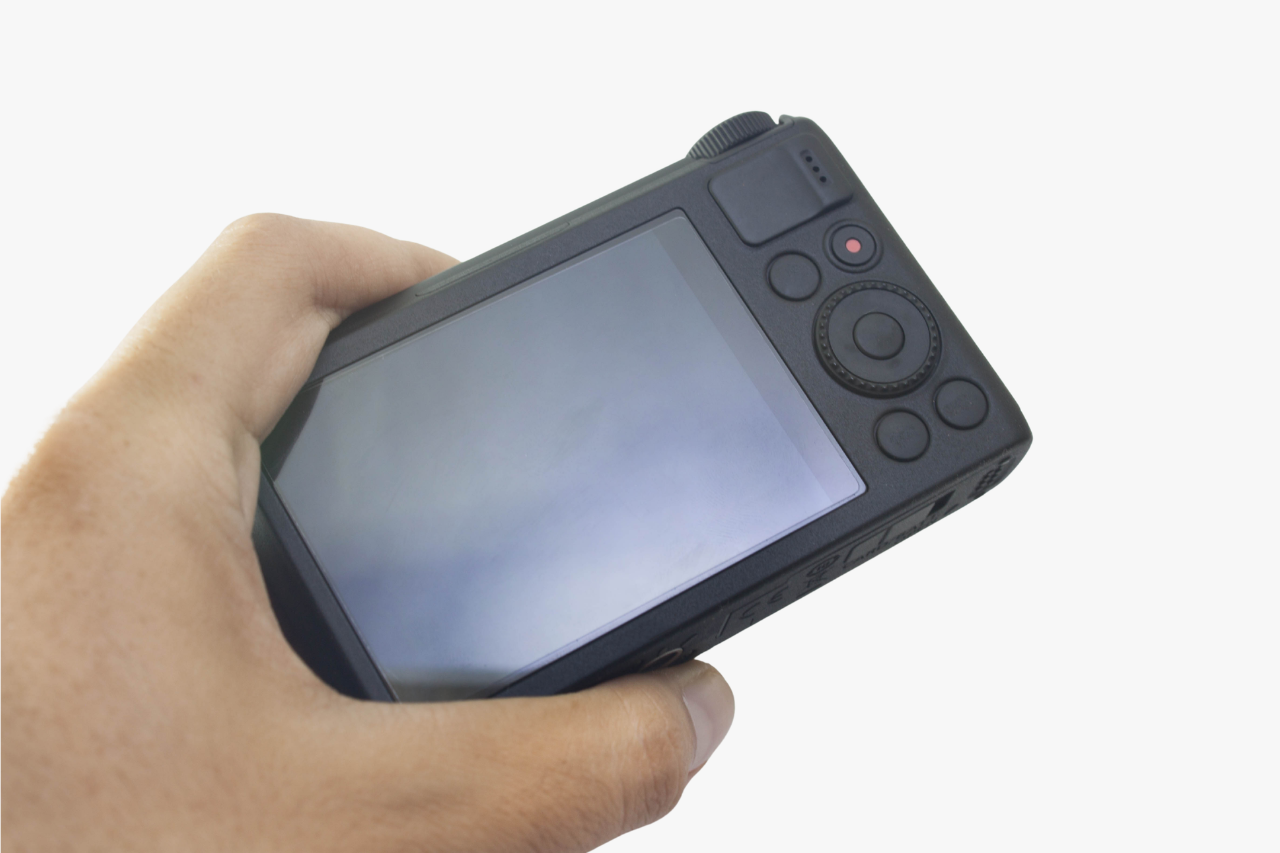
Does your iPhone distract you when you take a photo? Moving to a compact camera in 2026 changes that.
You get better image quality and natural background blur. You also enjoy stronger low-light results. Most importantly, a dedicated camera creates a calm, focused shooting experience. It helps you take fewer, better photos. You can finally stop tapping through endless edits and notifications.
(If you want to unplug even more, check out our guide to the best dumbphones and the best app blockers).
The best compact cameras in 2026 upgrade your photos and videos. We love that they skip the heavy, bulky lenses. The right pick depends on what you shoot most. Consider how much pocket space you want to use. Decide if photos, video, or simple mindfulness matters most to you.
| Camera Model | Best For | Key Spec / Feature |
|---|---|---|
| Fujifilm X100VI | Image quality & premium feel | Large APS-C Sensor |
| Ricoh GR IIIx | Pocketability & street photos | Tiny body with large sensor |
| Canon PowerShot V1 | Vlogging & family video | Flip screen & easy autofocus |
| Sony ZV-1 II | Beginner video & travel clips | Wide zoom lens & strong mics |
| Leica D-Lux 8 | Everyday style & travel zoom | Four Thirds Sensor & clean design |
| OM System Tough TG-7 | Outdoor trips & family adventures | Waterproof & durable body |
| DJI Osmo Pocket 3 | Smooth video & tracking | Built-in stabilizing gimbal |
| Paper Shoot Camera | Digital detox & screen-free shooting | No screen, simple one-button use |
| Instax Mini Evo | Instant prints & parties | Prints physical photos instantly |
| Panasonic Lumix S9 | Full-frame quality & creative control | Massive full-frame sensor |
1. Fujifilm X100VI
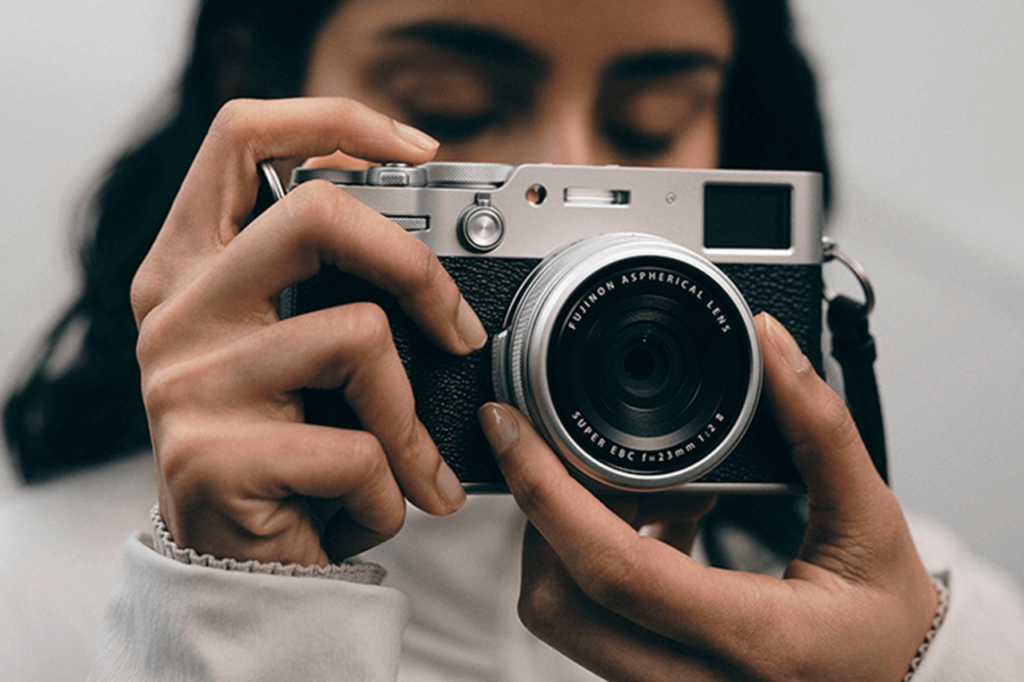
The Fujifilm X100VI is an easy favorite for everyday photography. It uses a large APS-C sensor. This is a chip that gathers extra light for clear shots. It features a sharp 23mm fixed lens and Fujifilm’s famous film simulations. These modes produce gorgeous, ready-to-share JPEGs straight out of the camera.
This camera feels vastly different from a phone. The physical dials and hybrid viewfinder force you to slow down. You frame your shots with genuine care. This mindful approach transforms how you capture travel, street, and family moments.
You also get fast autofocus and built-in image stabilization. It offers solid 4K and 6.2K video options. The tradeoff comes down to size and price. It is compact but will not fit in tight jeans pockets. Finding one in stores also remains tricky.
Best for: Image quality, film look JPEGs, premium feel
Why you may prefer it over your iPhone: Bigger sensor, better lens character, less editing
Watch for: High price, fixed 35mm-equivalent field of view
2. Ricoh GR IIIx
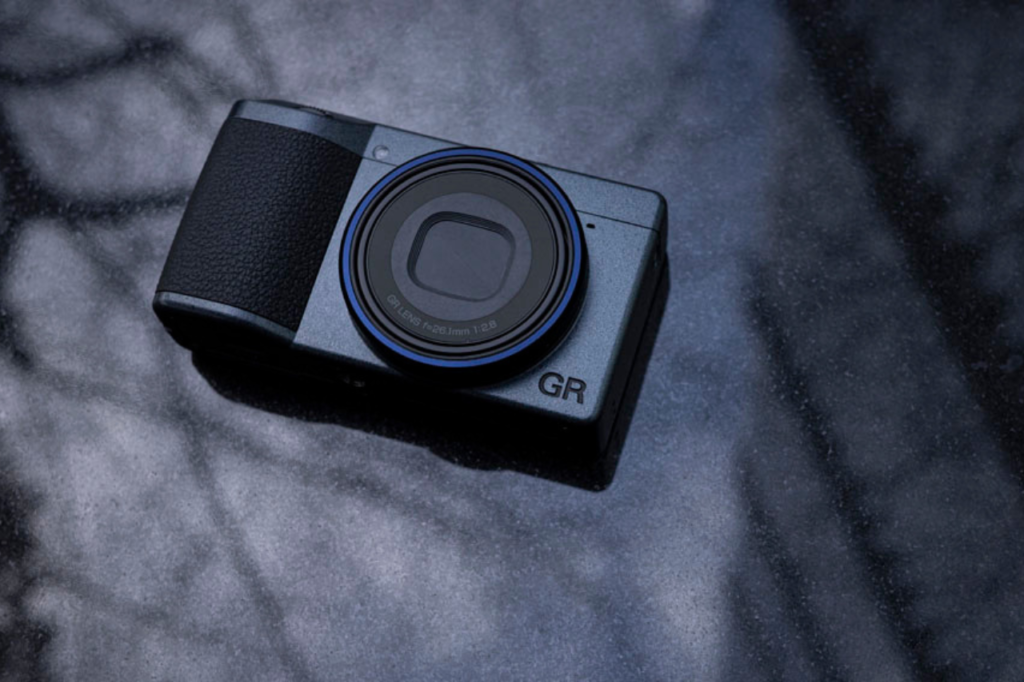
The Ricoh GR IIIx is incredibly easy to carry everywhere. It slips right into a coat or pants pocket. It packs a large APS-C sensor for catching light. This delivers stunning photos that easily beat your smartphone. It truly shines in mixed light and at night.
The IIIx version uses a 40mm-equivalent lens. This means it sees the world similarly to human eyes. It feels natural for portraits, details, and street photos. If you want a wider view, grab the regular GR III instead.
This camera is famously fast in practice. Its Snap Focus feature lets you shoot instantly once you learn it. One-handed shooting feels incredibly natural. The photos look crisp and clean. We especially love the stunning black-and-white modes.
Keep in mind that battery life runs short. It also lacks a built-in viewfinder. You must frame shots on the rear screen. Some people will love this setup, while others will not.
Best for: Pocketability, street photography, minimalist carry
Why you may prefer it over your iPhone: APS-C quality in a tiny body
Watch for: Weak battery life, no zoom, limited video appeal
3. Canon PowerShot V1
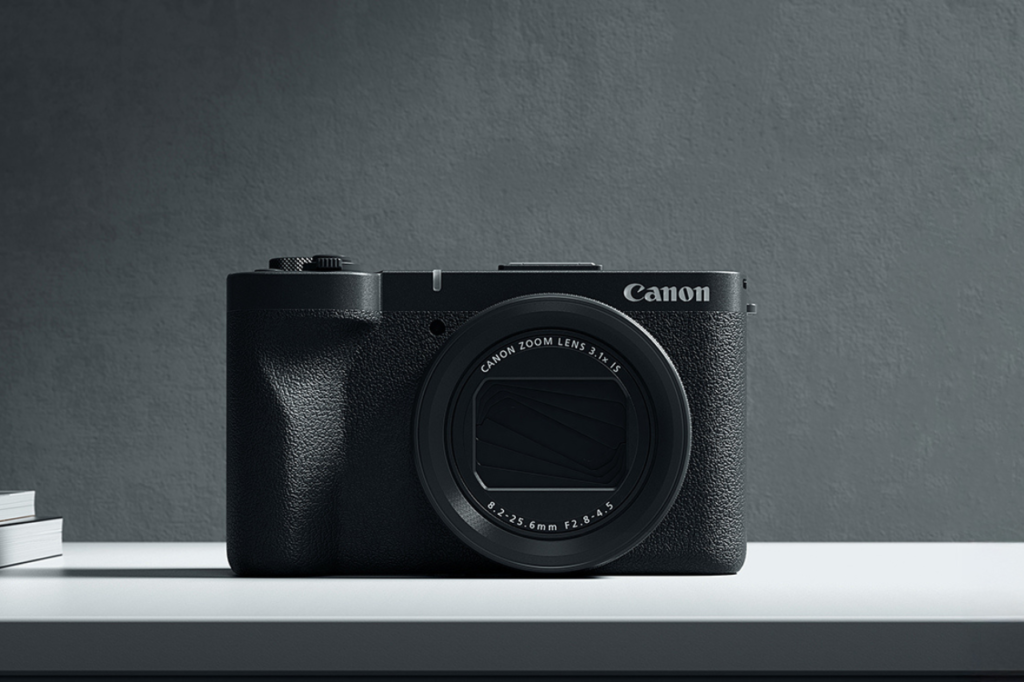
Do you use your iPhone mostly for video? The Canon PowerShot V1 makes perfect sense for you. Canon built it for creators, travelers, and parents. It gives you crisp subjects, cleaner indoor clips, and easy handheld shooting.
This camera is compact and beautifully simple to use. It features a helpful flip-out screen and fast autofocus. It reliably detects faces and eyes. In real life, these features matter deeply. You can hand it to anyone and get sharp family footage.
It also takes great still photos in everyday light. You get a highly natural look. Smartphones often apply heavy, fake-looking HDR processing. This Canon actively avoids that oversharpened style.
It will not slide into tiny pockets like smaller options. Canon designed this more for video shooters than pure photo purists.
Best for: Vlogging, family clips, travel video
Why you may prefer it over your iPhone: Better autofocus, cleaner indoor video, flip screen
Watch for: More video-first than photo-first, not ultra-pocketable
4. Sony ZV-1 II
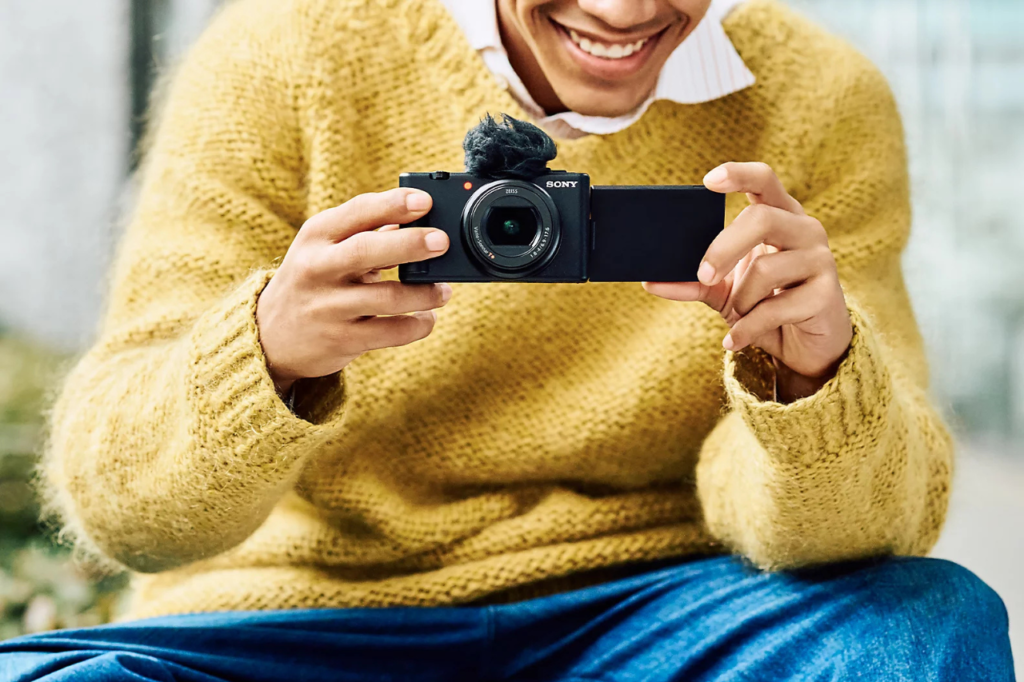
The Sony ZV-1 II is a smart upgrade for iPhone users. It packs strong video features into a tiny body. You can easily toss it in a daily bag. It starts up fast and uses simple, friendly controls.
The wide zoom lens perfectly handles travel and selfies. It captures walk-and-talk clips and family footage beautifully. Sony’s autofocus easily keeps moving faces sharp. The product showcase mode works wonderfully for social media clips.
This camera takes solid still photos in daylight. It gives you far more control than a phone. However, it uses a smaller sensor than the APS-C cameras above. The jump in photo quality is not massive.
The Sony truly shines in pure convenience. Do you want to replace your iPhone for short 4K clips? This is a very practical, easy choice.
Best for: Beginner creators, travel video, easy autofocus
Why you may prefer it over your iPhone: Better handling, better mics, real zoom lens
Watch for: Smaller sensor than top photo-focused picks
5. Leica D-Lux 8
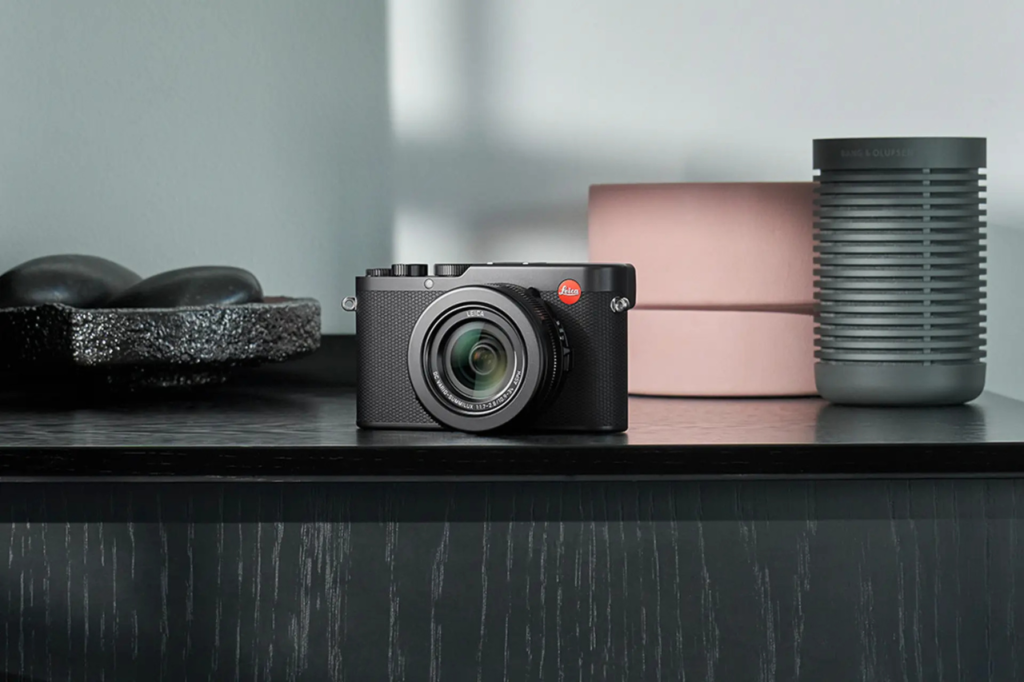
The Leica D-Lux 8 is a stunning premium compact camera. It is perfect if you value beautiful design and simple controls. It uses a Four Thirds sensor. This medium-sized chip grabs extra light. The bright zoom lens gives you excellent low-light shots.
This camera feels incredibly calm to use. The menu system is beautifully clean. The sturdy body feels refined in your hands. This matters more than people admit. You will actually want to bring this camera with you.
The lens adapts easily to street photography, food, and portraits. This zoom capability makes it highly flexible. It beats fixed-lens cameras like the Fujifilm X100VI for pure versatility.
You pay a premium for the Leica experience. Value shoppers might want to skip this one.
Best for: Premium compact feel, travel zoom, everyday style
Why you may prefer it over your iPhone: Better lens, bigger sensor, more intentional shooting
Watch for: Expensive for its class, not the best bargain
6. OM System Tough TG-7
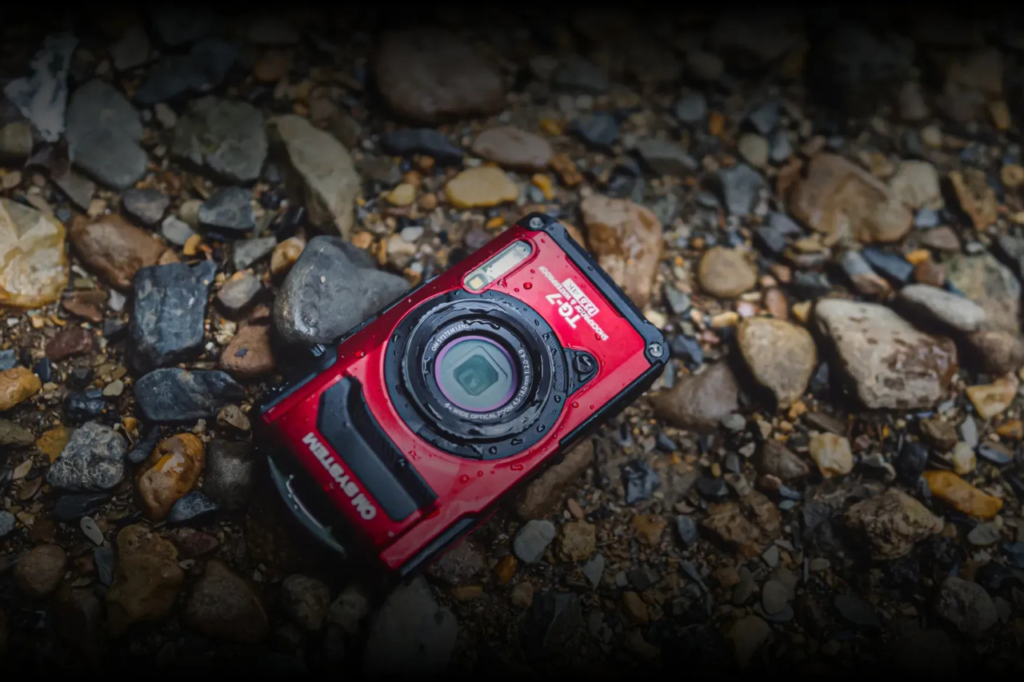
Does your iPhone fail in rough weather? The OM System Tough TG-7 solves that problem instantly. It is waterproof, shockproof, and freezeproof. Take it to the beach, mountains, or pool. It easily survives kids who drop gear.
Image quality cannot match the larger-sensor cameras on this list. However, it still shoots nice photos in bright light. It is incredibly relaxing to use around water. The macro mode lets you take extreme close-ups of tiny details like shells and bugs.
This camera wins on pure durability and convenience. It does not boast the absolute best sensor. You can toss it in a backpack without a single worry.
For active travel and family trips, peace of mind wins. It matters more than capturing perfectly clean night shots.
Best for: Outdoor trips, water use, family adventures
Why you may prefer it over your iPhone: Tough body, real waterproofing, strong macro mode
Watch for: Smaller sensor, average low-light quality
7. DJI Osmo Pocket 3
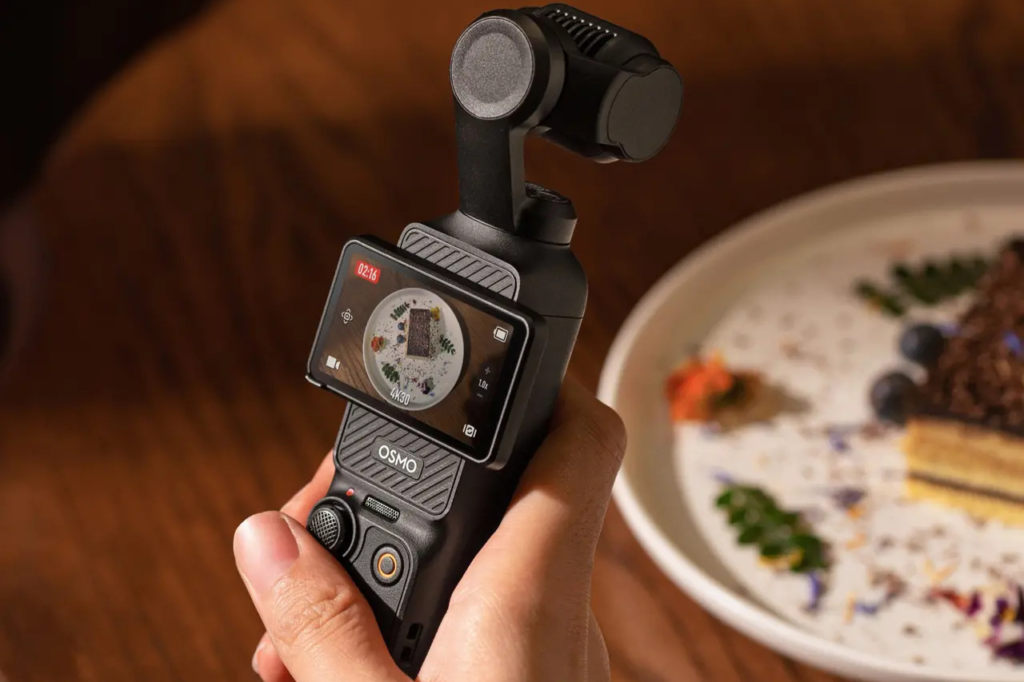
The DJI Osmo Pocket 3 is not a traditional camera. Still, it belongs here if you shoot mostly video. It features a built-in gimbal. This robotic arm keeps your footage perfectly steady. Handheld videos instantly look smooth and professional.
We easily recommend it for travel videos and family moments. The flip screen is highly useful. The subject tracking automatically follows you around. It also performs surprisingly well in dark rooms.
It captures photos, but that is not its main purpose. Do you care more about smooth motion than single pictures? This device will replace your iPhone perfectly.
People constantly reach for this tool. It delivers beautiful, usable video fast with zero setup.
Best for: Smooth video, travel clips, family memories
Why you may prefer it over your iPhone: Gimbal stabilization, better motion footage, easy tracking
Watch for: Not ideal as a photo-first camera
8. Paper Shoot Camera
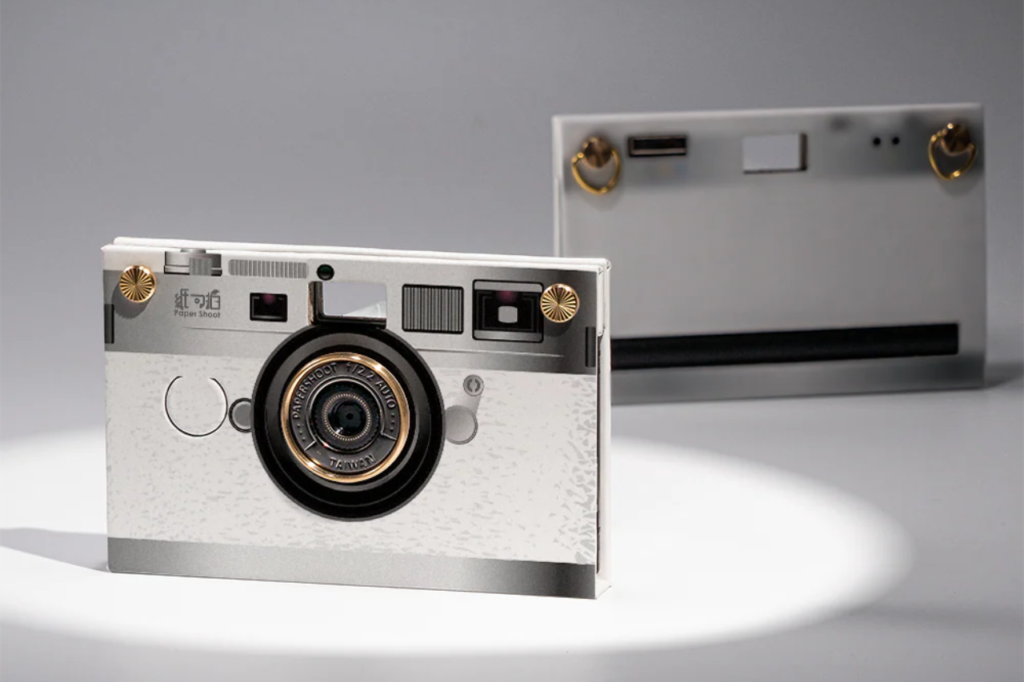
The Paper Shoot Camera is the total opposite of a smartphone. That is exactly why we love it. It is light, simple, and totally screen-free. It forces you to focus on taking the photo, not checking it.
Do you want less screen time? This camera helps you unplug. You press the shutter, trust your eye, and move on. This feels refreshing if your phone turns every photo into a stressful editing task.
Image quality remains modest. Low-light photos look grainy. You buy this for the calm experience, not technical perfection. In daylight, the soft style feels fun and unique.
Treat this as a digital detox tool. It is a mindful lifestyle choice, not a specs upgrade.
Best for: Screen-free shooting, simple travel memories, digital detox
Why you may prefer it over your iPhone: Less distraction, more intentional photos
Watch for: Basic image quality, weak low-light performance
9. Instax Mini Evo
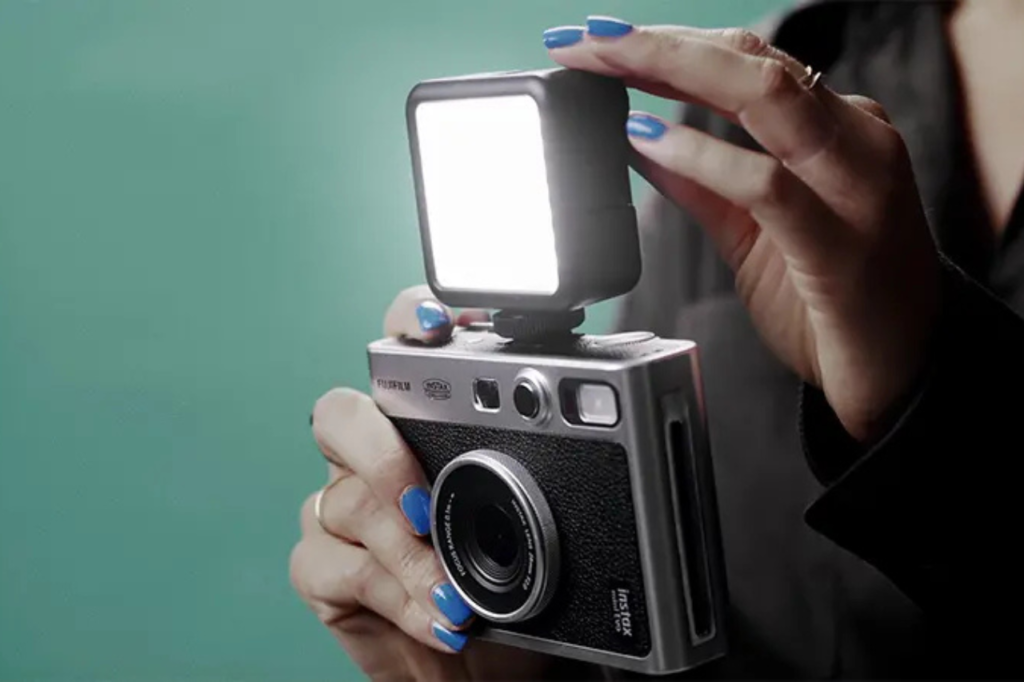
The Instax Mini Evo does something your iPhone cannot do. It spits out a physical print in seconds. This instantly makes the camera special. It is perfect for parties, vacations, and daily fun.
You can view images on the screen before you print. This saves you from wasting expensive film. The built-in filters are fun and easy to use. The camera encourages pure play instead of stress.
As a digital camera, it will not win awards for sharpness. That misses the entire point. It gives you a real object to hold or share. Physical photos simply feel more meaningful.
Do you miss real, printed photos? This is the most joyful phone alternative available.
Best for: Instant prints, parties, memory keeping
Why you may prefer it over your iPhone: Tangible photos, fun shooting experience
Watch for: Not a top choice for serious image quality
10. Panasonic Lumix S9
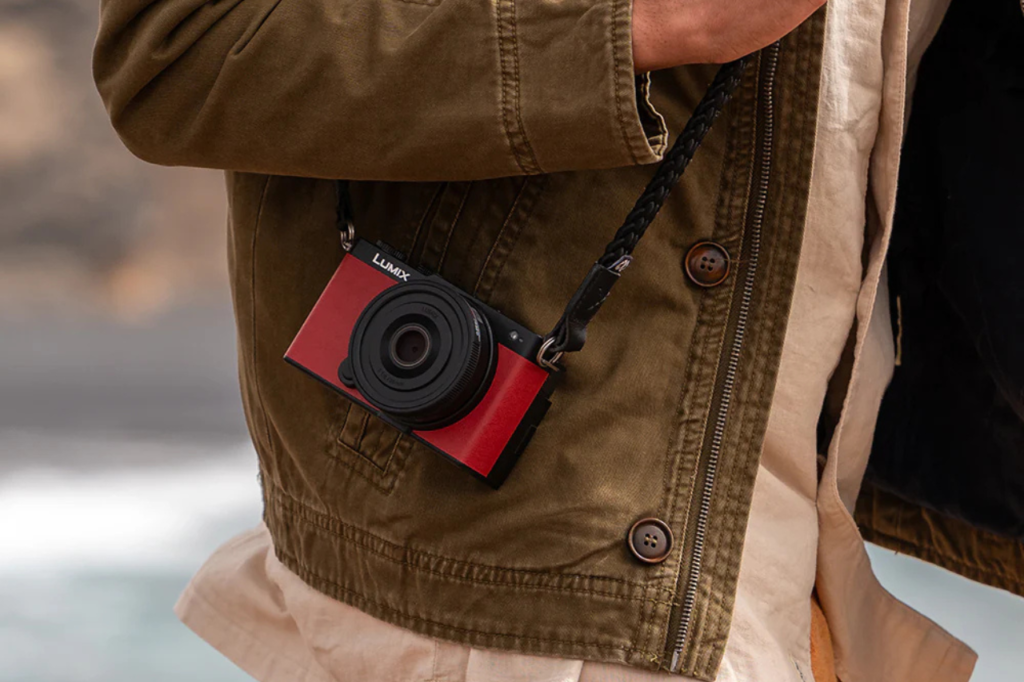
The Panasonic Lumix S9 stretches the word compact. Still, it remains small enough for easy travel. It uses a massive full-frame sensor. This professional chip gathers incredible light. You get top-tier image quality and beautiful low-light shots.
Choose this camera if your phone feels too limiting. Skin tones look perfectly natural. The blurry backgrounds look highly professional. Panasonic’s built-in colors give you gorgeous photos without any editing. It also shoots stunning, stable video.
Portability is the main catch here. Once you attach a lens, it leaves pocket territory. It acts more like a small system camera for serious shooters.
Does raw image quality matter most to you? The S9 offers the biggest upgrade on our list.
Best for: Full-frame quality, hybrid shooting, creative control
Why you may prefer it over your iPhone: Biggest image quality jump, lens flexibility
Watch for: Not truly pocketable, extra lens cost
How To Choose The Right Compact Camera
Image Quality Vs Pocketability
Sensor size and lens quality offer the biggest upgrades over an iPhone. Large sensors like APS-C or full-frame grab more light. They give you natural background blur and less fake processing.
However, pocket space still matters. You might leave a heavy camera at home. In real life, you will use a tiny Ricoh GR IIIx more often simply because it fits your pocket.
Fixed Lens Focal Length Vs Zoom Flexibility
A fixed lens camera cannot zoom. The Fujifilm X100VI uses this style for a simpler experience. It teaches you to walk closer and frame shots mindfully.
A zoom camera gives you more flexibility. The Leica D-Lux 8 helps you easily shoot travel scenes or portraits. A zoom feels much easier if you are used to an iPhone.
Autofocus And Speed For Everyday Use
Fast startup and reliable autofocus matter deeply. You need speed for kids, pets, and street scenes. Sony, Canon, and DJI lock onto faces perfectly.
Speed means different things for still photos. The Ricoh GR IIIx feels incredibly fast once you master Snap Focus. It skips the digital hunting and just shoots instantly.
Video Features For Travel And Family Clips
Do you shoot lots of video? Look for a flip screen, smooth stabilization, and good microphones. The Canon PowerShot V1, Sony ZV-1 II, and DJI Osmo Pocket 3 excel here.
Do not overpay for video features if you only shoot photos. A photo-first camera brings far more joy to still photography.
Battery Life, Charging, And Connectivity
Battery life varies widely among small cameras. The Ricoh GR IIIx drains very quickly. Larger models easily survive long day trips. Always buy one extra battery.
USB-C charging offers major convenience in 2026. Look for Bluetooth and Wi-Fi features. These tools help you quickly send photos to your phone.
Budget And Availability In 2026
Camera prices span a massive range. Fun cameras like the Paper Shoot cost very little. Premium models like the Leica D-Lux 8 demand a huge budget.
Availability also matters. Popular cameras sell out constantly. Buying a great in-stock camera beats waiting six months for an elusive model.