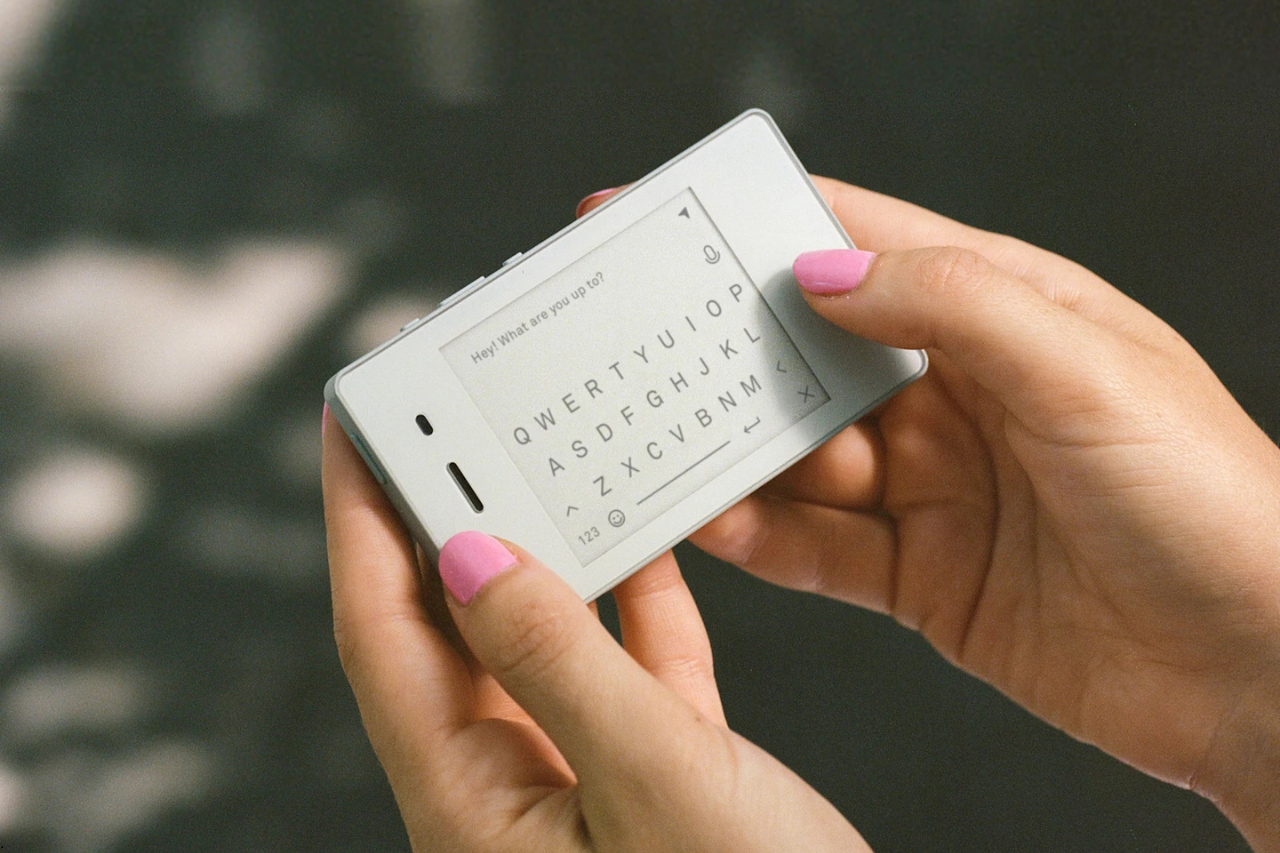
A dumb smartphone is a mobile device that features the premium glass-slab hardware of a modern phone, but runs a locked-down operating system intentionally stripped of web browsers, social media, and app stores.
That tension explains why this category exists. You want a phone that looks normal, texts well, takes good photos, and handles daily basics, without inviting hours of doomscrolling.
If you want digital detox benefits without the social and practical tradeoffs of a classic dumbphone, a dumb smartphone is often the best middle path.
It sits between dumbphones and full smartphones. You keep the polished feel of a minimalist phone, while removing the apps and habits that break your focus. For many people drawn to digital minimalism, that balance makes more sense than going all the way back to a brick-like dumb phone.
Why Buy a Dumb Smartphone Instead of a Flip Phone?
A flip phone, feature phone, or other basic phone can work well if your goal is total separation. You get calls, texts, and little else. That is the appeal.
Still, there is a real social and practical cost. In a professional setting, pulling out a small plastic flip phone can feel out of place. It can signal nostalgia, thrift, or resistance to modern tools, even when your real goal is simply reducing distraction.
A dumb smartphone solves that problem. It looks like a modern phone because it usually is one, at least on the outside. You get premium materials, a sharp display, a full touchscreen keyboard, and often a much better camera than most feature phones or brick phones.
That matters in daily use. Texting is faster. Maps are easier. Photos are worth keeping. You may still get 4G connectivity and a familiar form factor, without carrying the apps that create digital fatigue.
If you need a simple phone and still want your device to fit naturally into modern life, this category makes sense. It gives you less temptation, not more friction than necessary.
1. Wisephone II (Best Overall)
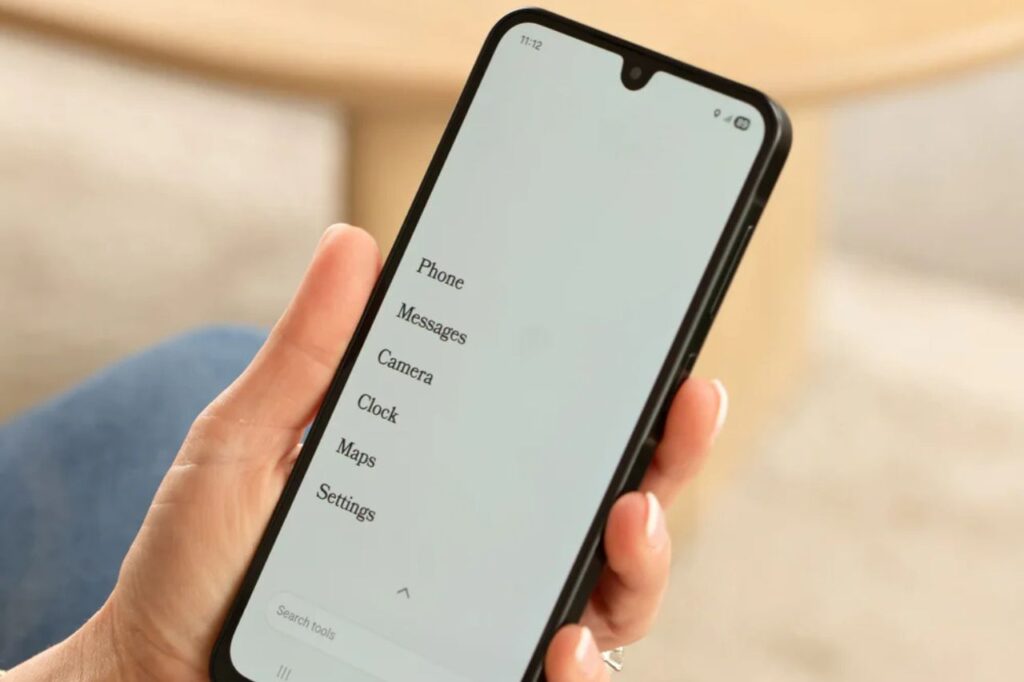
If you want the clearest version of a dumb smartphone, the Wisephone II is the one to start with. It looks very close to an iPhone, with a glass screen, clean design, and a camera that feels far better than what you get on most dumb phones.
Its value is in the software. The custom operating system removes the app store, browser, and social media entirely. That means you are not relying on willpower alone.
You still get core tools that most people need:
- calling and texting
- a high-quality map app
- camera
- calendar and notes
This is the best pick if you want a polished, plug-and-play device with almost no setup. You pay a premium for that simplicity, though for the right person, that is the point.
2. Ghost Phone (Best Android Alternative)
If you want more flexibility than the Wisephone II, the Ghost Phone is a strong option. It is usually a Google Pixel flashed with a custom, privacy-focused operating system, often built around a stripped-back Android 11 experience or a similar Android base.
The key difference is selective access. You can keep useful apps such as Uber, Spotify, maps, and banking, while social media and web browsing are actively blocked or removed.
That makes it a good transition device. You still get Pixel-level hardware, a very capable camera, and a familiar Android feel, without opening the door to the apps that consume your attention.
Choose this if you want a dumb smartphone that still handles modern life with less compromise. It is less strict than the Wisephone II, which can be a strength or a weakness depending on your habits.
3. Light Phone III (Best Premium Minimalist)
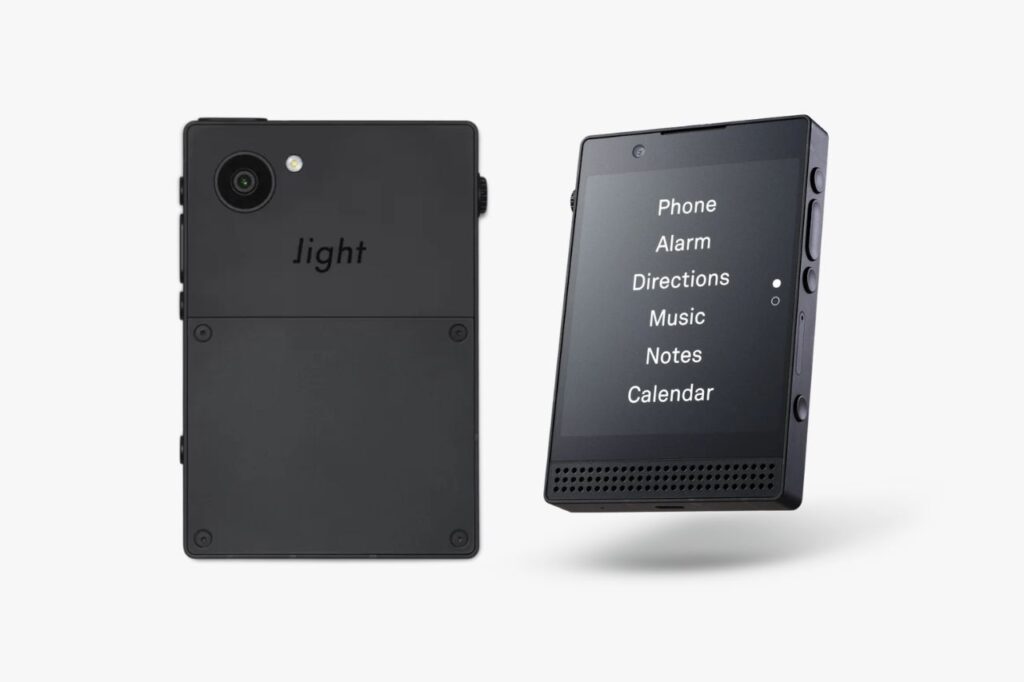
The Light Phone III is not a standard glass slab in the usual sense. Still, it feels premium in a way most minimalist phones do not. You get a metal body, a refined design, a capable camera, and an AMOLED and E-Ink display approach that keeps the device quiet and distinct.
If you know the Light Phone II, this newer model feels more mature and more practical. The core idea stays the same: your phone should be a tool, not a feed.
Its operating system is fully custom and mostly text-based. You use simple tools for calls, messages, directions, music, alarms, and a few essentials. There is no social media and no open web browsing.
This is the best choice if you care about design as much as discipline. It asks you to accept more limitations than a Ghost Phone, while giving you a stronger sense of intentional use.
4. Unihertz Jelly Star (Best DIY Option)
The Unihertz Jelly Star takes a different approach. It is not locked down at all. It is a fully functional Android smartphone with a tiny 3-inch screen.
That small display creates what many people call intentional friction. You can still use maps, music, messages, and even email. You just cannot comfortably doomscroll for long.
That is the appeal. The phone does not remove temptation through software rules alone. It makes distraction physically unpleasant.
Best for:
- you want full Android apps
- you like small devices
- you need a lower-cost experiment
- you trust yourself more with friction than with strict blocking
If you need a true plug-and-play dumb smartphone, this is not it. If you want a clever middle ground, it is one of the most practical options.
The DIY Route: Making Your Own Dumb Smartphone
You may not need a new phone at all. If your current device is still in good shape, you can turn it into a dumb smartphone with a few changes.
Start with the home screen. On Android, a minimalist launcher like Niagara or Olauncher can reduce visual clutter and keep only your key tools in view. On iPhone, you can use Focus modes, app limits, a plain wallpaper, and a simplified home screen layout to create a similar effect.
Then make the hard cuts:
- delete social media apps
- block app installs with parental controls or screen time settings
- disable Safari or Chrome if possible
- turn the screen to grayscale
- remove email from your home screen
- mute non-human notifications
Aggressive app blockers help a lot, especially if you set friction into the system with passwords, schedules, or accountability tools. If you use dual SIM, you can also separate work and personal use more cleanly without carrying two devices.
This route is best if you want to test digital minimalism before spending money. It works well, though it asks more from your self-control.
Final Verdict: Are They Worth the Price?
A dumb smartphone often costs far more than a flip phone. Many sit around $400 to $600, which can feel strange when a budget phone does much more on paper.
The value is not raw specs. You are paying for a carefully limited experience, software engineering, setup, and the peace of mind that comes from not fighting your phone all day. For some people, that is worth more than extra features.
If your main goal is long battery life and the lowest price, a classic feature phone may still fit better. If you are shopping for phones for kids or phones for seniors, a simpler basic phone can also make more sense.
If you want modern texting, a good camera, usable maps, and fewer addictive loops, a dumb smartphone is a stronger fit. The best choice depends on how much restriction you need.
Use this quick guide:
- Choose Wisephone II if you want the cleanest plug-and-play option.
- Choose Ghost Phone if you need essential apps on premium Android hardware.
- Choose Light Phone III if design and strict minimalism matter most.
- Choose Unihertz Jelly Star if you want a cheaper, flexible experiment.
- Choose DIY if you want to test the lifestyle before buying new hardware.
If your current phone is costing you focus, attention, and calm, this category is worth serious consideration. Pick the version that matches your real habits, not your ideal ones.
Frequently Asked Questions
What is the difference between a dumbphone and a dumb smartphone?
A traditional dumbphone is usually a plastic flip phone or candybar phone with a T9 keypad and basic hardware. A dumb smartphone features the premium glass touchscreen, high-end camera, and form factor of a modern device, but runs a restricted operating system that blocks addictive apps.
Do dumb smartphones have good cameras?
Yes, this is one of their main advantages. Devices like the Wisephone II and Ghost Phone utilize modern smartphone lenses and sensors, allowing you to take high-quality photos without the temptation to immediately post them to social media.
Can you use Spotify on a dumb smartphone?
It depends on the operating system. The Ghost Phone allows you to install utility apps like Spotify, while stricter devices like the Wisephone II do not have an app store and limit you to local music files or built-in basic players.
Are dumb smartphones good for kids?
Yes, dumb smartphones are an excellent option for teenagers who want a device that looks “cool” and modern, but lack the web browsers and social media access that parents want to restrict.