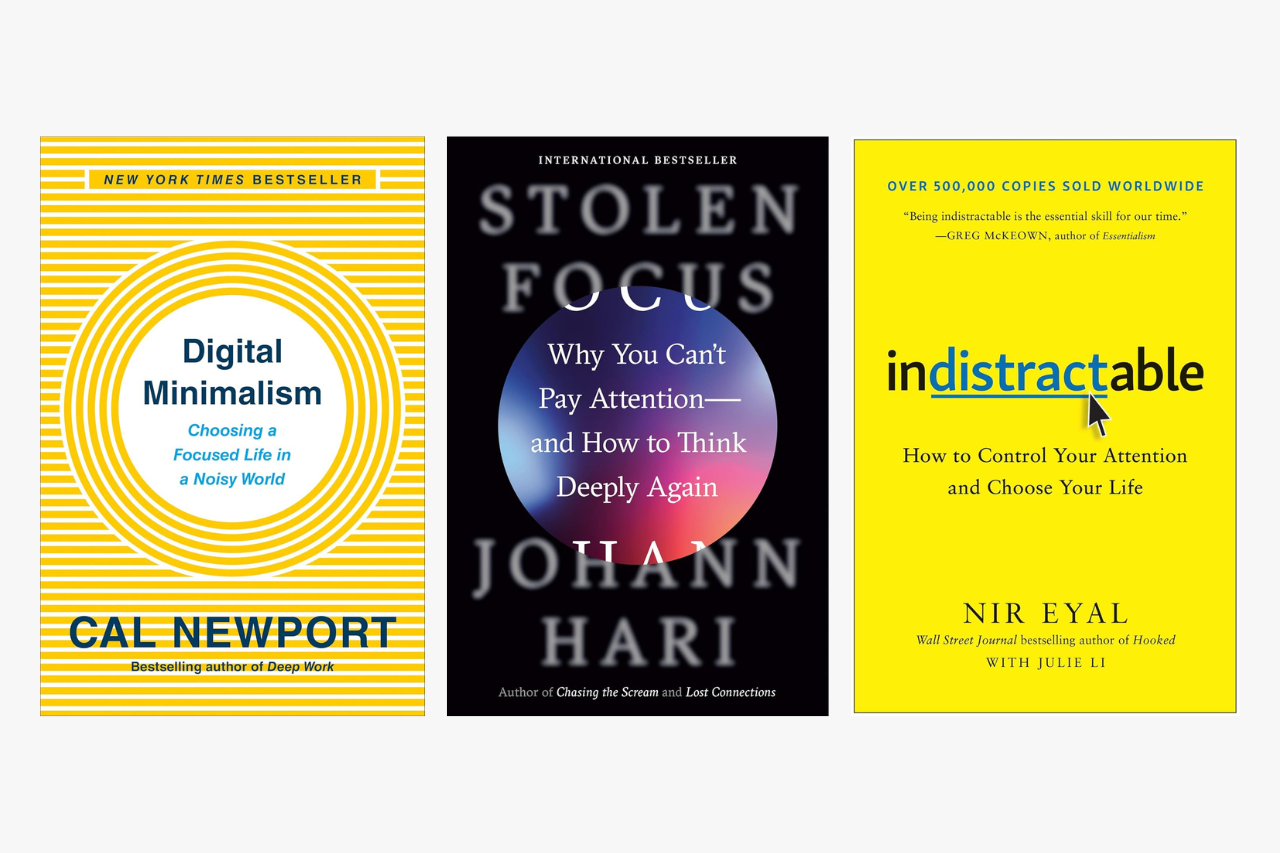
The best books on digital minimalism and focus include Digital Minimalism by Cal Newport, Stolen Focus by Johann Hari, and Atomic Habits by James Clear. These books provide practical frameworks for reducing screen time, breaking behavioral addictions, and reclaiming your attention in an increasingly distracted world.
If you are looking for the best books on digital minimalism, the smartest place to start is with titles that help you cut digital clutter and protect your attention without giving up technology completely.
At PauseGadget, our core philosophy is Intentional Friction, making distracting technology less convenient so your devices become tools rather than pacifiers. But before you trade your smartphone for one of the best dumbphones of 2026 or lock down your screen with an aggressive best app blocker, you have to change your mindset. If you don’t understand the psychology behind why your phone is so addictive, you will eventually find a way to doomscroll again.
Digital minimalism is not about rejecting phones, apps, or the internet. It is about using them with purpose, so your time, focus, and energy go to what matters most. If digital overload has made your days feel scattered, the right books can help you reset your digital habits and move toward more intentional living.
These 10 books give you a practical path to better focus, lower screen time, and a calmer relationship with technology. Covering philosophy, neuroscience, and daily habit-building, they are the ultimate starting point for taking back your time.
The Foundational Philosophy of Focus
These books give you the core ideas behind digital minimalism and focused work. If you want fewer distractions and a clearer sense of what deserves your attention, this is the best group to read first.
1. Digital Minimalism by Cal Newport
This is the clearest starting point for most readers. Newport argues that you should use technology only when it supports things you truly value.
The most useful idea in the book is the digital declutter. You take a break from optional technologies for a set period, then add back only what serves you well. That makes your digital habits more intentional instead of automatic.
Why it helps you:
- Gives you a full philosophy, not just tips
- Helps you reduce digital overload
- Encourages offline activities that support a meaningful life
If your phone use feels constant and unfocused, start here.
2. Deep Work by Cal Newport
If Digital Minimalism helps you choose your tools, Deep Work helps you use your attention better. Newport explains why uninterrupted concentration matters and why shallow tasks can take over your day.
This book is especially useful if your work is built around thinking, writing, learning, or problem-solving. You get practical ideas like time blocking, scheduled focus sessions, and clear rules for protecting your attention.
Why it helps you:
- Teaches you how to focus for longer periods
- Shows you how distraction hurts high-value work
- Gives you a structure for better workdays
If you struggle to stay with one task, this book gives you a strong framework.
3. Essentialism: The Disciplined Pursuit of Less by Greg McKeown
This book is not only about screens, yet it fits digital minimalism very well. McKeown’s main point is simple: if you try to do everything, you will not do the right things well.
That idea matters for your digital life too. Many apps, messages, and feeds compete for your attention because they all feel urgent. Essentialism helps you step back and ask what is truly necessary.
Why it helps you:
- Builds decision-making skills
- Supports a minimalist mindset beyond technology
- Helps you say no to low-value demands
If your problem is not only screen time, but also too many commitments, this book belongs near the top of your list.
Understanding the Attention Economy
These books explain why focus feels harder now. They show how internet culture, app design, and modern media shape your attention, often in ways you do not notice at first.
4. Stolen Focus: Why You Can’t Pay Attention by Johann Hari
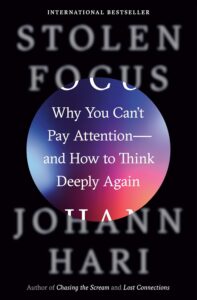
Hari looks at focus as a personal and social problem. He argues that attention is being weakened by many forces, including constant digital stimulation, stress, lack of rest, and systems built to keep you engaged.
This book is useful if you are tired of blaming yourself for every lapse in concentration. It broadens the picture and helps you see that distraction is not only about willpower.
Why it helps you:
- Makes attention problems feel more understandable
- Connects personal habits with larger systems
- Encourages realistic changes in daily life
If you want a wider view of why your attention feels fragmented, this is a strong choice.
5. The Shallows: What the Internet Is Doing to Our Brains by Nicholas Carr
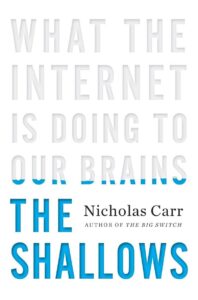
Carr focuses on how online reading and constant switching may change the way you think and process information. His central concern is that fast digital media can make deep reading and sustained thought harder.
For many readers, this book explains why it feels harder to sit with a long article or a serious book than it used to. It also supports the case for reading more books as a way to rebuild concentration.
Why it helps you:
- Explains the mental cost of constant scanning
- Defends slow reading and deep thinking
- Helps you notice how your media habits shape your mind
If you miss the feeling of real concentration, this book gives that concern a clear language.
6. Irresistible: The Rise of Addictive Technology and the Business of Keeping Us Hooked by Adam Alter
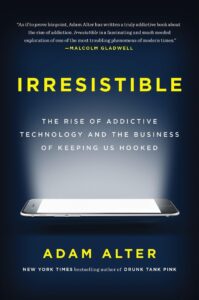
Alter looks at the design of products that keep you checking, scrolling, and tapping. He explains how variable rewards, social pressure, and convenience can create sticky digital habits.
This book is helpful if you want to know why some apps are so hard to put down. It does not frame the issue as personal weakness. It shows how design choices shape behavior.
Why it helps you:
- Explains why digital products feel hard to resist
- Helps you spot behavior loops
- Makes habit change easier because you can see the triggers
If you want to reduce screen time, it helps to know what you are working against.
Practical Guides for Daily Friction & Habit Change
These books are the most action-focused on the list. They help you change routines, reduce temptation, and create a calmer daily system for your phone, your time, and your attention.
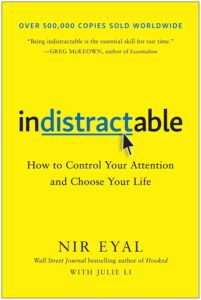
7. Indistractable: How to Control Your Attention and Choose Your Life by Nir Eyal
This book takes a practical approach to distraction. Eyal focuses on internal triggers, planning your time, and making distractions harder to access.
One of the most useful ideas is that distraction often starts with discomfort. You feel bored, restless, or anxious, and then you reach for your phone. If you can notice that pattern, you can interrupt it.
Why it helps you:
- Gives you direct tools for managing distraction
- Helps you plan your day with intention
- Focuses on behavior change, not guilt
If you want a tactical book with exercises you can use right away, this is a good pick.
8. Atomic Habits: An Easy & Proven Way to Build Good Habits & Break Bad Ones by James Clear
This is not a digital minimalism book in the strict sense, yet it is one of the most useful books for changing digital behavior. Clear explains how habits form and how small changes in your environment can shape better choices.
For example, if your phone is the problem, you can remove cues, raise friction, and make better alternatives easier. That could mean charging your phone outside your bedroom, turning off alerts, or keeping a book near your couch.
Why it helps you:
- Makes habit change feel manageable
- Shows you how environment shapes behavior
- Works well for screen time, reading, sleep, and focus routines
If you know what you want to change and need a system, read this one.
9. How to Break Up with Your Phone by Catherine Price
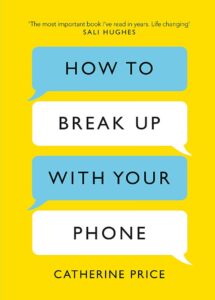
This is one of the most direct and practical books on reducing phone dependence. Price offers a step-by-step plan to help you notice your patterns and change them gradually.
The tone is useful for readers who want support without judgment. The book treats your phone as a tool that may be taking up too much space in your life, not as something you must reject fully.
Why it helps you:
- Gives you a structured reset plan
- Helps you cut mindless phone use
- Encourages more present, offline time
If your biggest issue is your smartphone, this may be the most relevant book on the list.
10. How to Do Nothing: Resisting the Attention Economy by Jenny Odell
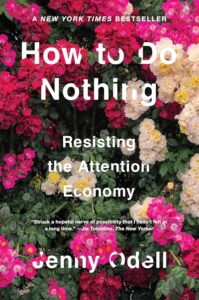
Odell takes a more reflective approach. She writes about attention, presence, place, and the value of stepping away from the constant demand to react, post, and consume.
This book is less about productivity and more about reclaiming your inner space. It fits well if you want digital minimalism to support a richer, quieter life, not just a more efficient one.
Why it helps you:
- Connects focus with mindful living
- Pushes back against constant digital demand
- Encourages deeper attention to real life
If you want digital minimalism tied to culture, rest, and meaning, this is a thoughtful choice.
Where to Start?
The best first book depends on what you need most right now.
Use this quick guide:
| If you want to… | Start with… |
|---|---|
| Reduce screen time and clean up your digital life | Digital Minimalism |
| Focus better at work or school | Deep Work |
| Stop checking your phone so often | How to Break Up with Your Phone |
| Build stronger habits around tech use | Atomic Habits |
| Learn why apps are hard to resist | Irresistible |
| Think more deeply about attention and modern life | Stolen Focus |
| Simplify your life beyond screens | Essentialism |
| Create a calmer, more reflective relationship with technology | How to Do Nothing |
If you feel very overwhelmed, start with one book, not three. Pick the one that matches your biggest frustration today.
After that, apply one idea for two weeks before moving on. You might try a digital declutter, a daily focus block, a no-phone bedroom rule, or a limit on social media checks. Small changes are easier to keep, and they give you proof that your attention can improve.
The main goal is not to become perfect. It is to build digital habits that support your values, your work, and your peace of mind.
Frequently Asked Questions
What is the best book to stop phone addiction?
If you want a practical, step-by-step guide to reducing screen time, the best book is How to Break Up with Your Phone by Catherine Price. It offers a 30-day plan to reset your habits. If you want to understand why you are addicted to your phone, Irresistible by Adam Alter explains the psychology behind addictive app design.
Should I read Deep Work or Digital Minimalism first?
It depends on your goal. If your primary struggle is endless scrolling, social media, and personal screen time, start with Digital Minimalism. If your main goal is to improve your career, focus on hard tasks, and stop getting distracted while working, start with Deep Work. Both are written by Cal Newport and complement each other perfectly.
Do I need to get rid of my smartphone to be a digital minimalist?
No. Digital minimalism is not about rejecting technology; it is about using it intentionally. As Cal Newport outlines in his book, the goal is to clear away digital clutter and only use tools that support your values. Many digital minimalists keep their smartphones but use app blockers, grayscale mode, or minimalist launchers to create “intentional friction.”