The Best Dumbphones in 2026: Reclaim Your Focus Without Losing Connection

Smartphones have become our constant companions. They hold our photos, guide us through cities, manage our money, and connect us to everyone we know. But these devices have changed from helpful tools into something that controls us.
You have probably experienced it yourself. You unlock your screen just to check the time, and suddenly half an hour has vanished while you scroll through posts and comments. You open your phone for one simple task, but notifications pull you in every direction.
This is not an accident. Smartphones were built to keep you hooked, and they are very good at it. If you have tried app blockers and digital wellness features without success, you might need a more intentional digital detox.
That is where dumbphones come in. These simpler devices, now often called minimalist phones, are not just outdated technology from the past. They represent a growing movement of people who want their time back without disappearing completely.
Finding the best dumbphones 2026 has to offer allows you to stay connected to what matters while cutting out the noise.
What’s the Point of Buying a Dumbphone in 2026?
It feels strange to pay for a device that can’t do as much as what’s already in your pocket. But here’s what you’re really buying: freedom from the constant pull of your screen.
Smartphones trap you in a game designed by experts who know exactly how to keep you hooked. Simple phones and feature phones remove that battle entirely.
These are also excellent phones for kids who don’t need the distractions of social media yet. You’re no longer fighting against apps built to capture your attention.
What you gain happens fast:
- Less worry: That nagging feeling of missing out goes away when your device can’t show you what’s happening online
- Real downtime: Your mind gets bored again, and that’s when new ideas show up
- Power that lasts: Your brick phone might go days without needing a charge
Choosing a non-smartphone or minimal phone isn’t about going backward. It’s about taking back control. When you reduce screen time with a minimalist phone, you’re choosing what deserves your focus instead of letting algorithms decide for you.
How We Chose These Phones
Not every basic phone deserves your attention. You need a device that actually works in 2026, not a nostalgic piece of plastic that can’t connect to modern networks.
Every phone on this list requires 4G connectivity as a baseline. Why? Because older networks are disappearing fast, and you can’t disconnect from screens if your phone can’t even make a call.
We looked for models that handle calls and texts without issues, since call quality matters when that’s your primary way to communicate.
We also checked for useful extras. Things like GPS, Bluetooth 5.0, USB-C charging, and FM radio make these phones more practical for daily life. A physical keyboard is a plus if you text often. Battery life needs to last days, not hours.
The most important factor is friction. These phones need to make social media and endless scrolling difficult or impossible. That’s the whole point.
We want reliable build quality too, because the best dumbphones should be tools you trust, not toys that break. For parents, we noted which models offer parental controls and work well as the best dumbphones for kids.
1. The Light Phone II
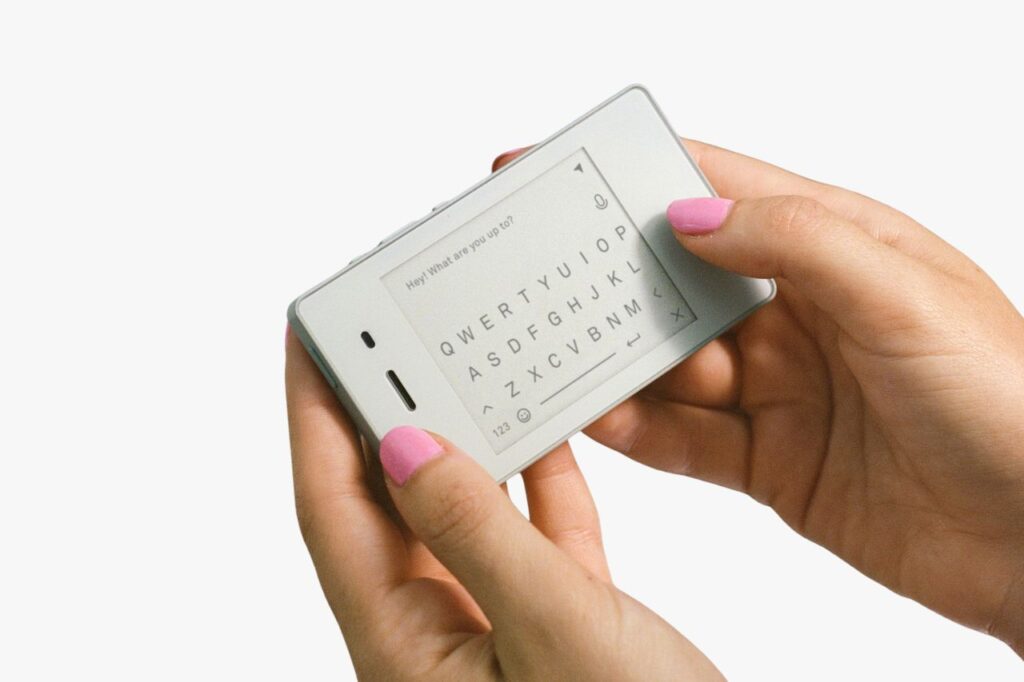
The Light Phone II has become well-known among people who want to reduce their screen time. It looks completely different from regular phones. The device is thin and flat like a credit card, with a matte finish that feels premium in your hand.
What makes this phone special is its E-Ink screen. This is the same type of display you see on e-readers. There’s no bright, glowing screen keeping you awake at night. The display shows black text on a light gray background, which is easy on your eyes.
Main Features:
- Phone calls and text messages
- Alarm clock and calculator
- Basic GPS directions
- Podcast player
The interface moves slowly on purpose. You won’t be able to rush through tasks like you do on a smartphone. This slowness helps you stay present and focused.
The Light Phone II doesn’t have a web browser, email, or social media apps. You can’t scroll endlessly through content. The company designed it this way to protect your attention and privacy.
The battery lasts one to two days with regular use. The phone costs more than basic flip phones, but you’re paying for the unique E-Ink technology and minimalist design.
The Light Phone III (also called Light Phone 3) is now available if you want their newer model.
2. The Nokia 2780 Flip
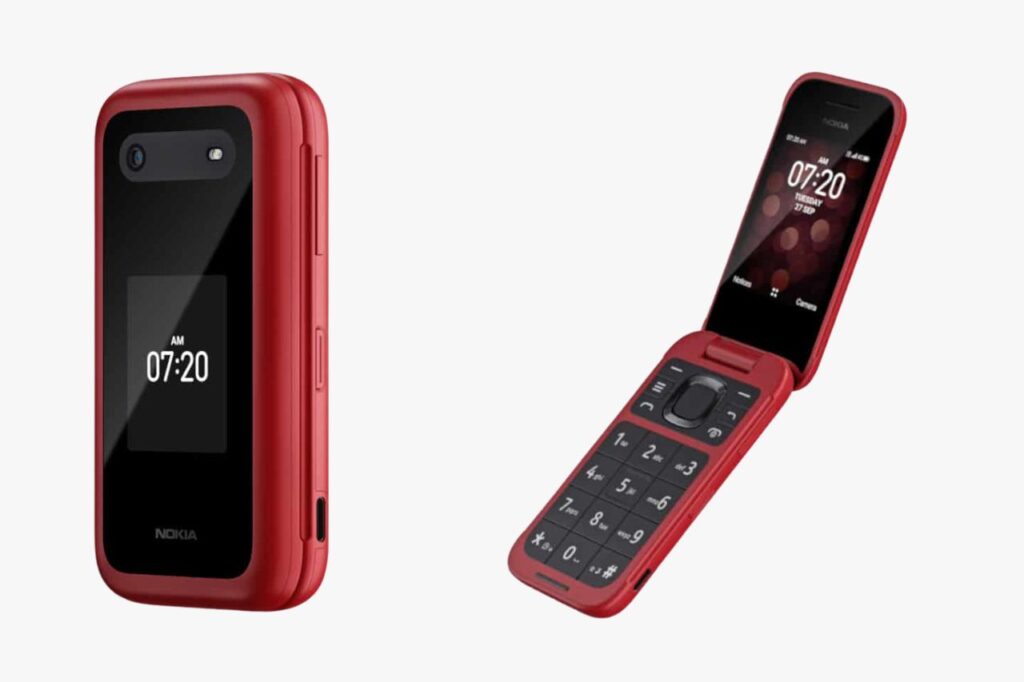
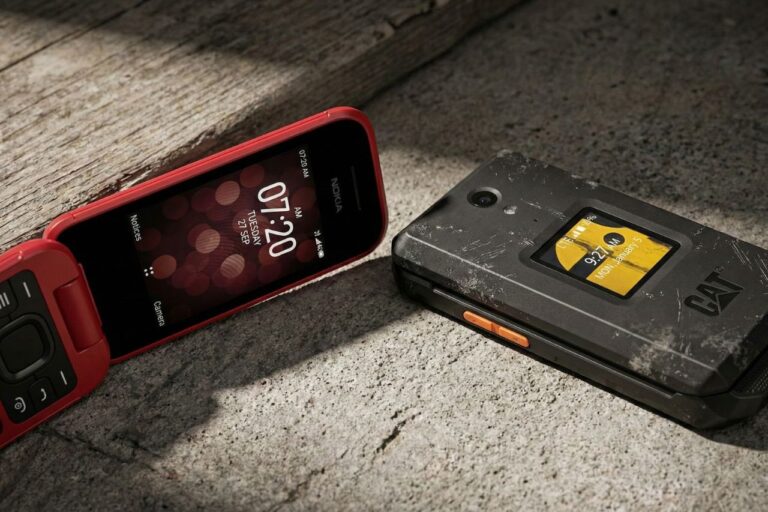
This clamshell phone costs less than $100 and offers a solid entry point if you want to leave smartphones behind. It runs KaiOS, which sits between a true dumbphone and a smartphone.
The phone uses 4G LTE and charges through USB-C. You can use the same cable that charges your laptop. The battery lasts for days on a single charge.
There is something real about closing a flip phone to end a conversation. It gives you a clear ending point that tapping a screen never does.
What You Get:
- 5MP camera for basic photos
- Physical keyboard with tactile buttons
- Multiple days of battery life
- Modern USB-C charging port
The build feels plastic and light. This is not a premium device. But it does the job without costing much.
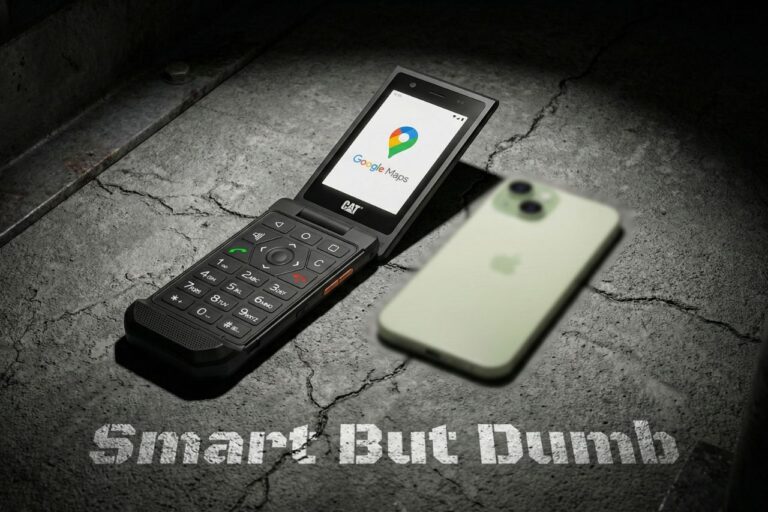
KaiOS includes some apps like YouTube and Google Maps. Watching videos on the small screen is uncomfortable enough that you probably won’t bother. That might actually help you.
The buttons make texting slower than a touchscreen. This friction can be useful. It makes you think before you send.
This best modern flip phone option works well if you need something functional. For those who prefer a classic candybar shape, the Nokia 110 4G and the iconic Nokia 3210 are excellent alternatives that focus on the basics.
3. The Punkt MP02 (New Generation)
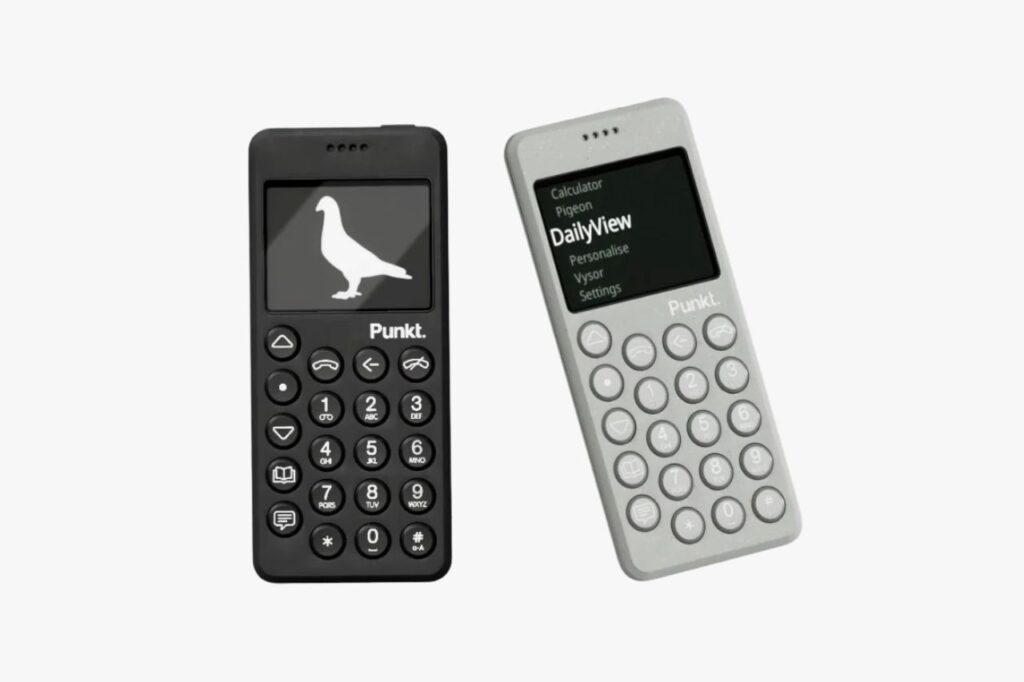
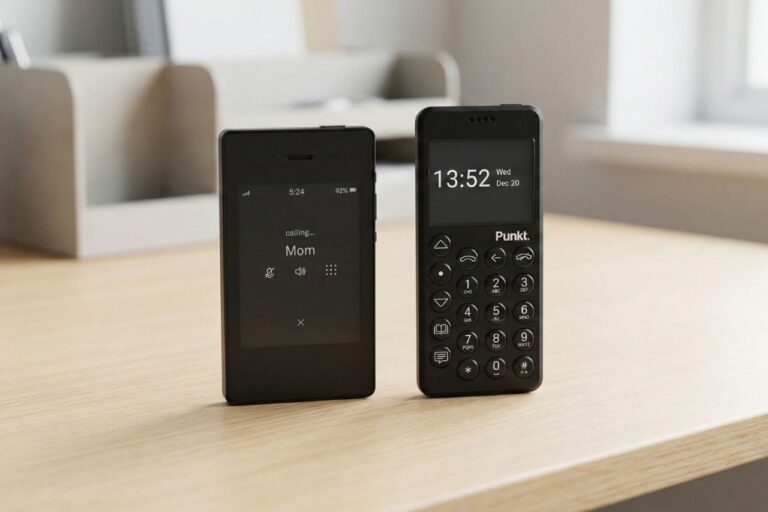
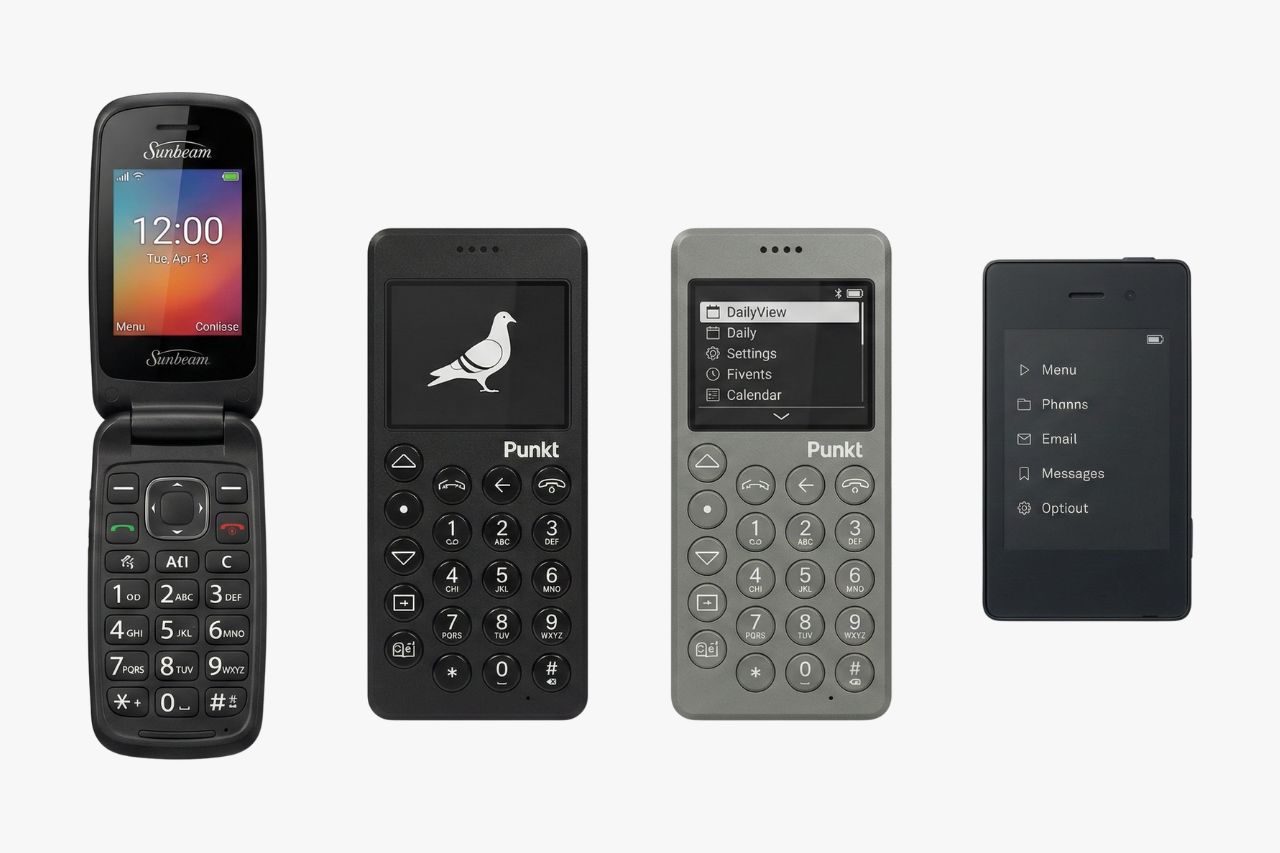
The Punkt MP02 works best for professionals and people who work remotely. Designer Jasper Morrison created this phone as a beautiful tool that looks right at home on any desk. You won’t find apps or colorful icons here. This device focuses only on communication.
The phone’s best feature is 4G tethering. You can turn it into a wireless hotspot for your laptop when you need to work. Connect your computer, finish your tasks, and close the lid. When your laptop shuts, you’re truly done. No email notifications will reach your phone after that.
The device includes Pigeon for secure messaging. This encrypted app runs on Signal’s technology, so you can text smartphone users safely.
What Works Well:
- Clean, simple design that looks professional
- Reliable 4G hotspot for working anywhere
- Strong encryption keeps your messages private
What Doesn’t Work:
- High price compared to other basic phones
- No built-in GPS or maps
This phone costs around $379, making it one of the pricier options for anyone wanting to reduce screen time.
4. The Sunbeam F1
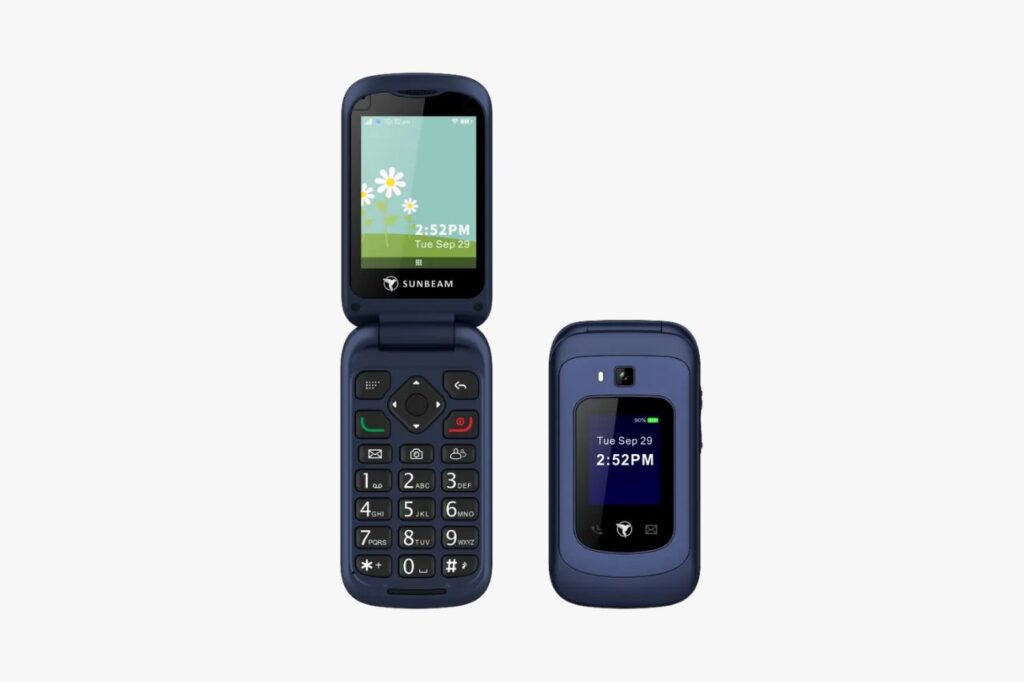
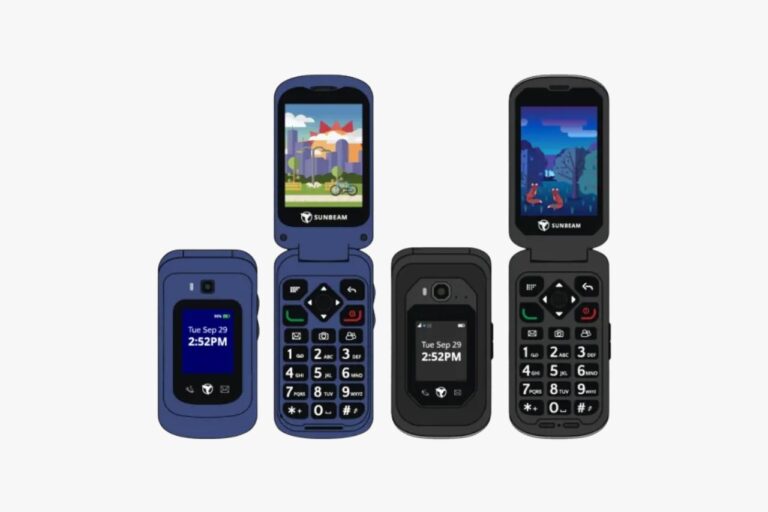
The Sunbeam F1 solves one of your biggest headaches with basic phones: typing messages. This flip phone pairs a classic design with a touchscreen and powerful voice-to-text technology that actually works.
You can choose between two versions. The F1 Horizon works well for office jobs and everyday use. It has a 1750 mAh battery that lasts 2-3 days and offers a sleek build. Some models include Waze for navigation.
The F1 Pro is built like a tank. It’s made for construction work, hiking, or anyone who drops their phone often. You get a bigger 2250 mAh battery that runs 3-4 days, louder speakers, and IP68 water and dust resistance.
Key Features:
- Voice-to-text that makes replies quick and easy
- Touchscreen for simple map navigation
- No data collection or tracking
The Sunbeam F1 takes a different path than phones like the Mudita Kompakt, Wisephone II, or Balance Phone. Devices like the Wisephone II run on WiseOS, which is designed to be completely distraction-free.
While those devices focus on smartphone-style layouts with limited apps, the F1 keeps things simple with its flip design and voice-first approach. Your texts get sent faster, and the touchscreen means you won’t fight with basic navigation anymore.
The main tradeoff is battery life on the Horizon model, though the Pro handles this better. Both models are useful if you need offline maps to get around without a data connection.
Alternative Minimalist Options
If you want something with more personality, the HMD Barbie Phone offers a bright design and a mirror on the front for a fun, retro feel. It is a simple feature phone that emphasizes style without the addictive apps.
Another rising contender is the Keyphone, which provides a sleek, modern aesthetic for those who want a minimalist device that still feels high-end. It is perfect for someone who wants to simplify their digital life.
The Free Alternative: “Dumb Down” Your Current Phone
You don’t need to buy new hardware to break free from endless scrolling. Your current phone can be transformed into something simpler.
Android users can install a minimalist launcher that removes colorful icons and distracting visuals. These launchers create a plain, text-based interface that makes your phone boring to look at. This works like an app blocker by making everything less tempting.
iPhone users have a built-in option called Assistive Access in the Accessibility settings. This feature turns your screen into large, plain buttons that strip away the addictive design elements. It’s similar to making a phone for kids but for your own digital wellness.
Both options let you keep essential apps like banking and ride-sharing while removing the triggers that pull you into mindless scrolling.
Here’s how five popular simple phones stack up against each other.
| Feature | Light Phone II | Nokia 2780 Flip | Punkt MP02 | Sunbeam F1 Horizon | Sunbeam F1 Pro |
|---|---|---|---|---|---|
| Ideal User | Those seeking bare minimum | Money-conscious buyers | Privacy-focused users | Everyday carry | Adventure seekers |
| Display | E-Ink | LCD | LCD text-only | LCD with touch | LCD with touch |
| Connection | 4G LTE | 4G LTE | 4G LTE | 4G LTE | 4G LTE |
| Messaging | Small and slow | Physical keypad | Keypad with encrypted app | Speak to type | Speak to type |
| Navigation | Limited options | Full Google Maps | Not available | Waze and HERE apps | Waze and HERE apps |
| Data Sharing | Available | Available | Strong performance | Available | Available |
| Power | 950 mAh | 1450 mAh | 1280 mAh | 1750 mAh | 2200 mAh |
| Build Quality | Water-resistant | Basic protection | Resists splashes | Basic protection | Full waterproofing |
| Cost | $299 | $90 | $390 | $249 | $329 |
Your choice depends on what matters most to you in your journey away from constant connectivity.
The Verdict: Which One Should You Buy in 2026?
Choosing a dumbphone means putting your attention first. It’s not about going backward. It’s about moving forward with intention.
Light Phone II gives you the cleanest break. The E-ink screen creates distance from constant stimulation. You’ll feel the difference immediately.
Nokia 2780 Flip works when money matters. It’s dependable and gets the job done without breaking your budget.
Sunbeam F1 Horizon makes the switch easier. Voice-to-text saves you from T9 frustration while keeping distractions away.
Punkt MP02 fits your work life. The hotspot lets you stay productive without turning your phone into a distraction machine.
Your notifications will survive the wait. Your peace of mind won’t.