Why I Stopped Trying to Quit Technology (And Started Pausing Instead)

It was 2:14 AM.

The only light in the room was the cold, blue glow of a smartphone screen. My eyes were burning, my neck was stiff, and my brain felt like it was filled with cotton wool.

I had to be up for work in five hours. I knew I needed to sleep. I wanted to sleep.

But my thumb kept moving. Scroll. Swipe. Refresh. Repeat.

I wasn’t even looking at anything important. I was watching a video of someone restoring a rusty knife, followed by a meme about a cat, followed by an argument between two strangers in a comment section.

I felt like a zombie. I was physically present in my bed, but my mind was lost in a digital void.

If you are reading this, chances are you know that feeling intimately. You know the phantom buzz in your pocket. You know the urge to check your email at dinner. You know the realization that you’ve just spent two hours staring at a screen, while your actual hobbies gather dust in the corner.

Hi, I’m Finn Albar.

I started PauseGadget.com because I realized I wasn’t alone. We are living in an era where our attention is the most valuable currency on earth, and we are giving it away for free, one pixel at a time.

But here is the controversial part: I don’t believe in quitting technology.

I believe in Pausing it.

Here is why that distinction changes everything.

The Problem with “Digital Detox”

A few years ago, after a particularly bad week of doom-scrolling, I decided I had enough. I was going to do a “Digital Detox.”

I deleted Instagram, Twitter, and TikTok. I locked my phone in a drawer for the weekend. I told myself, “This is it. I am going to be free.”

It felt great… for about 48 hours.

But Monday came around. I needed my phone for work emails. I needed WhatsApp to coordinate with my family. I needed Google Maps to get to a meeting.

The moment I turned my phone back on, the floodgates opened. I didn’t just check my notifications; I binged on them. It was the “rebound effect.” By Tuesday night, I was back to scrolling until 2 AM, feeling even more guilty than before.

That’s when I realized the fatal flaw in the “Digital Detox” mindset.

Most people treat tech addiction like alcoholism—where the goal is total abstinence (quitting forever).

But technology isn’t alcohol. Technology is like food.

You need food to survive. You can’t just stop eating. The goal isn’t to starve yourself; the goal is to stop eating junk food all day and start eating a balanced diet.

We don’t need to quit tech. We need to fix our diet.

The Philosophy of “The Pause”

This realization changed everything. I stopped trying to “Quit” and started learning how to “Pause.”

There is a huge psychological difference between the two:

  • Quitting feels like a punishment. It feels like you are losing something. It implies that technology is inherently evil.
  • Pausing feels like control. It implies that you can press play again, but you get to decide when.

PauseGadget is built on a simple philosophy: Technology should be a tool that serves you, not a master that enslaves you.

We are not here to smash our iPhones and move to a cave. We are here to build a lifestyle where we can use Google Maps and Spotify without getting sucked into a 3-hour TikTok vortex.

We are here to reclaim our focus in a world designed to distract us.

The 3 Pillars of Reclaiming Focus

Over the last few years, I have tested dozens of strategies, gadgets, and apps. I found that willpower alone is never enough. You cannot fight a billion-dollar algorithm with just “self-control.” You need a system.

This blog is organized around Three Pillars of digital wellbeing:

1. Mindful Tech (Fight Fire with Fire)

It sounds ironic, but sometimes the solution to too much technology is… different technology. We can use tools to create boundaries. This might mean swapping your smartphone for a Dumbphone on weekends to force a disconnect. It might mean using an App Blocker like Opal or Freedom to put digital handcuffs on your distractions. Or it might be as simple as switching to a Kindle for reading to avoid the notifications on your iPad.

2. Digital Hygiene (Design Your Environment)

Just like dental hygiene prevents cavities, digital hygiene prevents burnout. This is about designing your physical space to support your mental health. The golden rule? Keep the phone out of the bedroom. Using a dedicated Alarm Clock instead of your phone is the single most effective change you can make. It stops the morning doom-scroll before it starts. It also involves protecting your eyes and sleep cycle with tools like Blue Light Glasses if you must work late.

3. Analog Living (Fill the Void)

This is the most overlooked part. If you successfully pause your gadget, what do you do with the silence? If you don’t fill that void with something better, you will relapse. You need to rediscover the joy of the offline world. This is where Analog Hobbies come in—film photography, manual coffee brewing, hiking, or just reading a physical book. We need to retrain our brains to enjoy slow, tactile activities.

What You Can Expect from PauseGadget

I am not a guru. I am not a doctor. I am just a guy who wants his brain back.

In this blog, you won’t find preachy advice telling you that “phones are evil.” Instead, you will find:

  • Honest Reviews: Is that $400 reMarkable tablet actually worth it, or is it just a toy? Does that app blocker actually stop you, or is it easy to cheat?
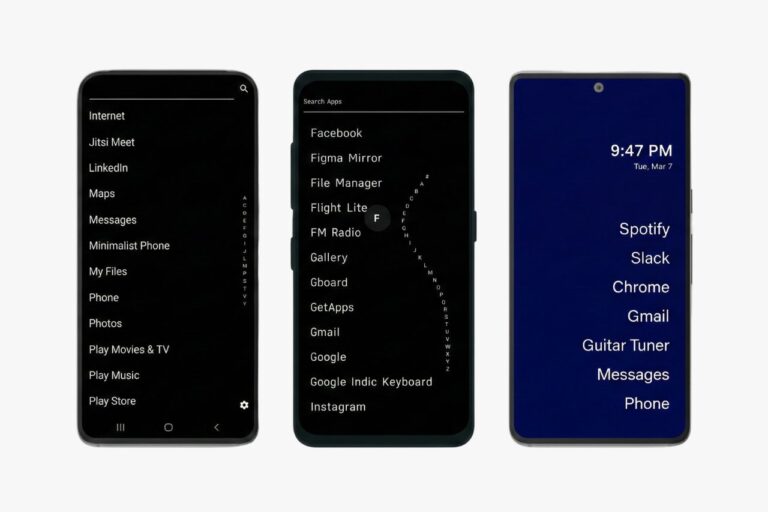
  • Practical Guides: How to “dumb down” your Android interface using a Minimalist Launcher.
  • Experiments: I test these strategies on myself so you don’t have to.

Start Here: Your Curated Reading List

If you are new here, you might be wondering where to begin. I have curated the best articles based on how you are feeling right now.

“I feel burnt out and I don’t know why.” Start by diagnosing the problem. It might be more than just tired eyes. Read: 7 Silent Signs You Need a Digital Detox ASAP

“I can’t stop scrolling in bed.” This is the most common struggle. The solution is to remove the temptation physically. Read: The Best Alarm Clocks to Keep Your Phone Out of the Bedroom

“I want to disconnect, but I need my phone for work/maps.” You don’t have to go offline completely. You just need a simpler device. Read: The Best Dumbphones in 2026. Read: How to Turn Your Android into a Dumbphone (Free)

“I have no self-control.” If willpower has failed you, it’s time to bring in the heavy artillery. Read: Opal vs. Freedom vs. Forest: Which App Blocker Works?

“I’m bored without my phone.” Good! Boredom is where creativity starts. Here is how to fill that time. Read: 10 Analog Hobbies to Feed Your Soul

Let’s Press Pause Together

Life is happening right now. It’s not happening on that 6-inch screen in your hand; it’s happening in the room around you.

The coffee smells good. The light coming through the window is beautiful. The person sitting next to you probably has an interesting story to tell.

You don’t have to disconnect forever. You just need to press pause long enough to remember what it feels like to be alive.

Welcome to the journey.

Finn Albar Founder, PauseGadget.com

Share