Light Phone II Review: Is a $299 Dumbphone Worth It in 2026?

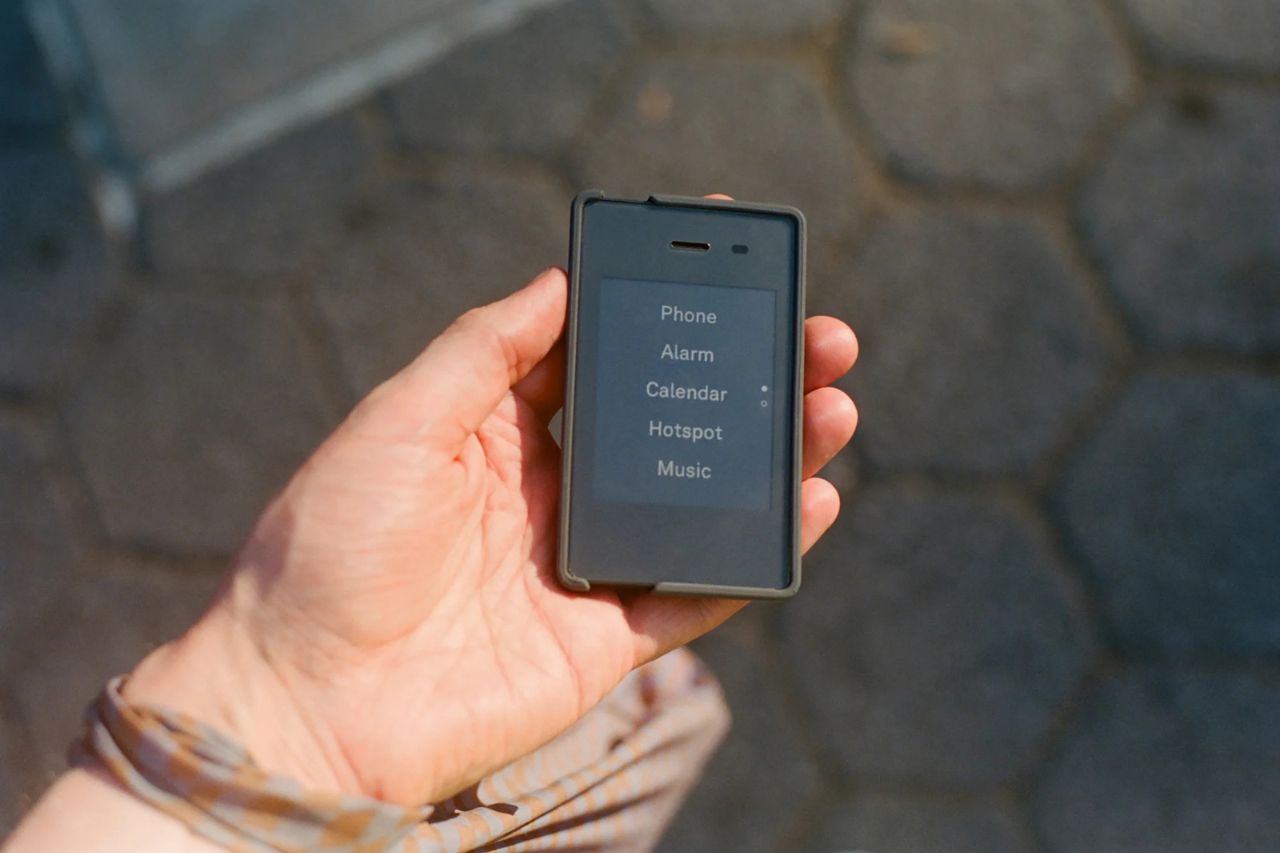
In a world of 6.8-inch Ultra HD screens, 100-megapixel cameras, and processors faster than most laptops, the Light Phone II feels like a mistake.
It is tiny. It is black and white. It is slow. It has a battery life that is merely “okay.” And it costs $299.
On paper, this device makes absolutely no sense. Why would you pay premium smartphone prices for a device that does less than a $20 burner phone from a gas station?
But if you are reading this, you suspect that the “specs” don’t tell the whole story. You aren’t looking for a phone that does more. You are looking for a phone that demands less.
The Light Phone II is not selling hardware; it is selling a philosophy. It promises to be a “phone for humans,” designed to be used as little as possible.
Here is the honest, deep-dive review.
The Design: Anti-Technology
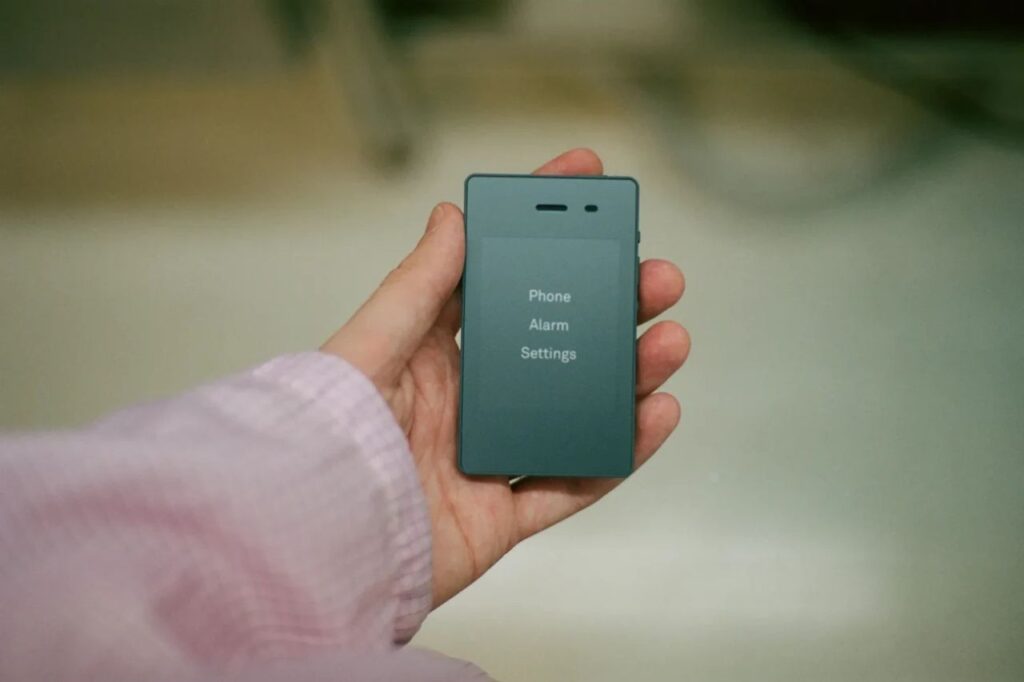
When you pull the Light Phone II out of its box, you notice something strange right away. The phone is tiny. It measures about the size of a credit card. The weight is only 78 grams, which is less than half of what a modern iPhone weighs.
The device feels different in your hand. It has a soft-touch coating that makes it warm and easy to grip. Unlike the Mudita Pure, which also targets the minimalist market, the Light Phone II is small enough to fit in a credit card slot. It doesn’t feel cold and slippery like the glass phones you’re used to.
The E-Ink Display
The screen uses the same technology you find in Kindle readers. This matters more than you might think.
The display is completely matte. You can read it in bright sunlight without any glare. It doesn’t produce blue light unless you turn on the backlight. When you look at this e-ink screen, your eyes don’t feel strained. The E Ink display is designed specifically to look like paper. This makes it a great choice for reading or texting outdoors.
But there’s a catch. The e-ink display refreshes slowly. When you press a button, you see a small delay before anything changes. This ghosting effect is normal for this type of screen. If you’re coming from a fast smartphone, it will feel weird at first.
The phone also includes a headphone jack and uses micro USB charging. It doesn’t have NFC for contactless payments. This keeps the device simple and focused on essential functions.
The slowness is intentional. This minimalist phone makes you wait on purpose. It stops you from tapping mindlessly. You have to move at the device’s pace instead of racing through screens.
LightOS: The “Tools” Philosophy
Light OS takes a different approach to what belongs on your phone. Instead of colorful icons pulling you in every direction, you get a plain text menu. It calls each feature a “tool” because that’s what they actually are.
You pick which tools you want through the Light Phone Dashboard on your computer. The options include an alarm, a calculator, and a calendar. These are basic tools you might genuinely need. You can add an alarm to wake up and use the calculator for math.
Music and podcasts are available if you want something to listen to. The notes tool works with voice-to-text, so you can capture thoughts without typing. A calendar keeps your schedule straight without the clutter of a smartphone.
What’s missing matters just as much. There’s no browser, email, news apps, or social media. These aren’t accidents or coming later. They’re deliberately left out.
When you turn on the phone, you see the time. A small mark shows up if you missed a call. Nothing flashes or beeps for your attention. The phone sits quietly until you need it. at you. It waits for you. This fundamental shift in dynamic—from Push to Pull—is what you are paying for.
Using the Light Phone II: What to Expect Daily
Making the switch to this minimalist device won’t feel smooth at first. You’ll notice resistance in almost everything you do.
That resistance is intentional. It’s meant to make you think twice before mindlessly tapping your screen.
Sending Messages Takes Patience
The E-Ink display responds slowly compared to your smartphone. Each letter appears with a slight delay. The keyboard takes up most of the tiny screen, and your thumbs will feel cramped.
You’ll need to type one word at a time, carefully. Quick replies become impossible. Those short “ok” or “haha” messages you normally fire off? They suddenly feel like too much effort.
This changes how you communicate. You’ll find yourself making actual phone calls instead. Or you’ll save the conversation for when you meet face-to-face.
Getting Around Without Modern Maps
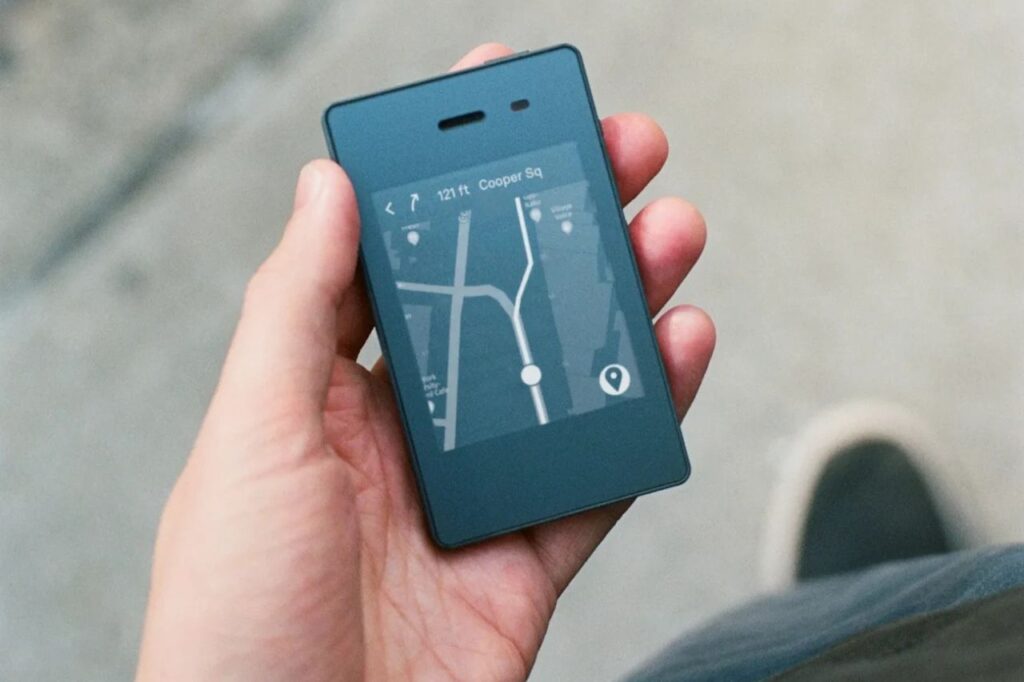
The built-in directions feature uses basic mapping data. It shows you turn-by-turn instructions on the screen. The GPS works, but it won’t show you live traffic updates or suggest faster routes.
You can’t check restaurant ratings or browse nearby stores. The maps app simply gets you to your destination. You’ll actually need to read street names and pay attention to your surroundings.
Charging More Often Than You’d Like
The 950mAh battery drains faster than you might expect. Most users get one to one-and-a-half days of battery life per charge. If you use GPS or music features regularly, you’ll plug it in nightly. This is standard for a device of this size.
This disappoints people who remember old phones lasting a week. The slow refresh rate of E-Ink saves some power, but running on Verizon or T-Mobile still consumes energy quickly.
The “Void” You Will Feel
The first seven days are strange. You will grab your phone out of habit while standing in line. You will unlock it and stare at the screen. Then you will notice there is nothing to scroll through. No feeds. No notifications pulling at your brain. You check the time and slide it back into your pocket.
This is your mind adjusting to life outside the attention economy. Your brain has been trained to fill every empty second with content. It craves the dopamine hits that come from refreshing apps and checking updates.
But something shifts in week two. You start looking at the walls around you. You talk to the person making your coffee. You use the basic tools on your phone to capture your own thoughts instead of absorbing everyone else’s.
The Light Phone II returns those small gaps in your day. It gives you back the empty spaces where your mind can wander. These moments of doing nothing are where your best ideas show up.
Who Should Consider the Light Phone II?
This device isn’t for everyone. It’s designed for specific needs and lifestyles.
Skip this phone if you:
- Depend on messaging apps like WhatsApp or Signal for your job
- Need to scan QR codes regularly at restaurants or events
- Want an affordable option (other basic phones cost much less)
This phone works well if you:
- Care about simple living. You want a device created by Joe Hollier and Kaiwei Tang that looks good and reduces stress instead of adding to it.
- Need a secondary phone for breaks. You keep your main phone during the week but switch to this “phone for humans” on weekends to truly unplug.
- Do creative work. You need to protect your focus and mental space for deep, meaningful projects.
The Light Phone II divides people sharply. You’ll either appreciate its purpose or find it too limiting for daily life.
Is This Device a Premium Purchase for Your Peace of Mind?
The Light Phone II costs $299. From a technical standpoint, that price makes no sense. You can buy a smartphone with better specs for less money.
But specs aren’t what you’re actually buying here. You’re investing in a different way of living. You’re paying for a company that built an operating system designed to protect your focus instead of stealing it. You’re paying for a device that doesn’t collect your personal information or show you advertisements.
What your money actually gets you:
- A phone that respects your attention
- Freedom from data tracking
- The ability to step away from constant connectivity
- A tool designed to be used less, not more
Think about buying an expensive bicycle when you already own a car. The car does more and goes faster. But the bicycle gives you something different. It connects you to your surroundings in ways a car never could.