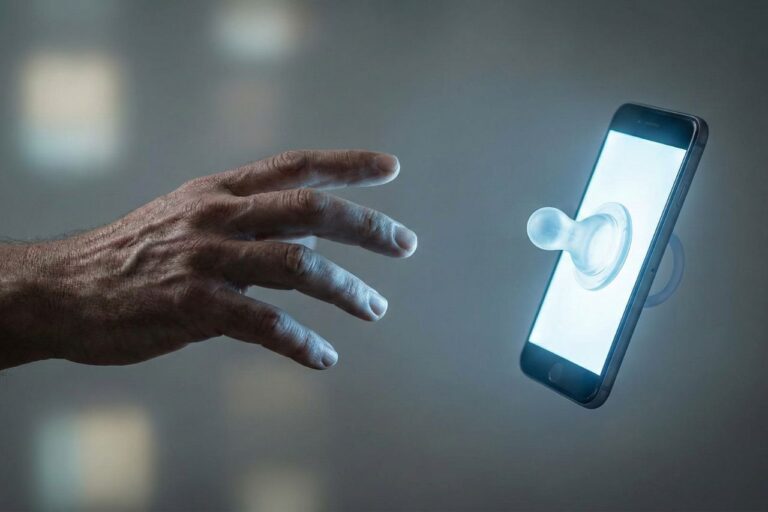
Why You Can’t Sleep: The Connection Between Screens and Insomnia

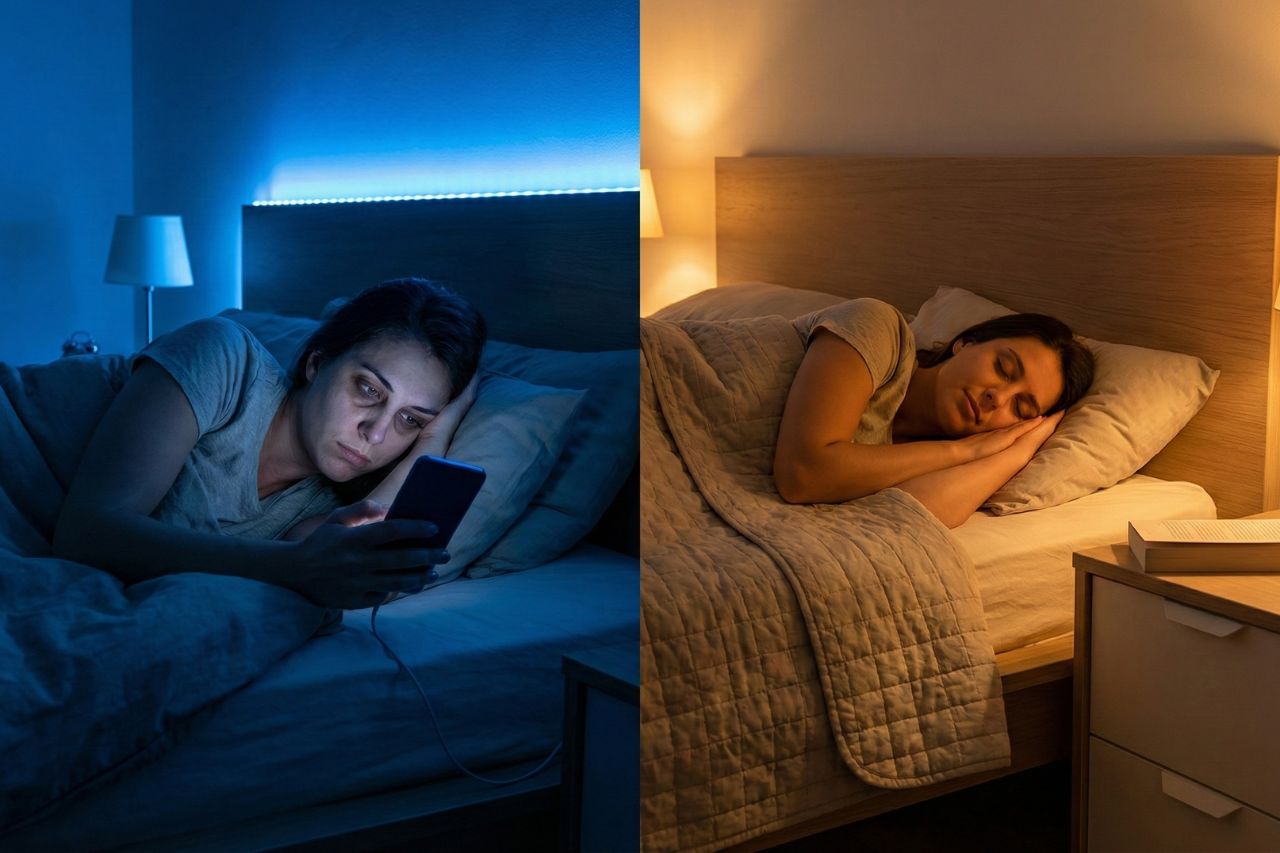
It is 11:30 PM. You are exhausted. Your body feels heavy, your eyes are droopy, and you know you have to wake up in seven hours.
You get into bed. You pull up the covers. And then, almost automatically, you reach for your phone to check “just one thing.”
Suddenly, it is 1:45 AM. You are wide awake. Your mind is racing. You feel a mix of guilt and frustration as you calculate how little sleep you are going to get.
You tell yourself, “I must have insomnia.”
But in 2026, most sleep problems aren’t clinical insomnia. They are Tech-Induced Insomnia.
We are battling two powerful forces every night: Biology and Psychology. And right now, our screens are winning on both fronts.
Here is the science behind why your phone is destroying your sleep, and the exact protocol to fix it.
How Blue Light Hacks Your Brain
To understand sleep, you have to understand light.
For millions of years, human biology was regulated by the sun. When the sun went down, the lack of blue light signaled our pineal gland to secrete Melatonin.
Melatonin is the “Sleep Hormone.” It lowers your body temperature and tells your system to shut down.
The Problem: Smartphones, tablets, and LED monitors emit a specific frequency of blue light that mimics the brightness of the noon sun.
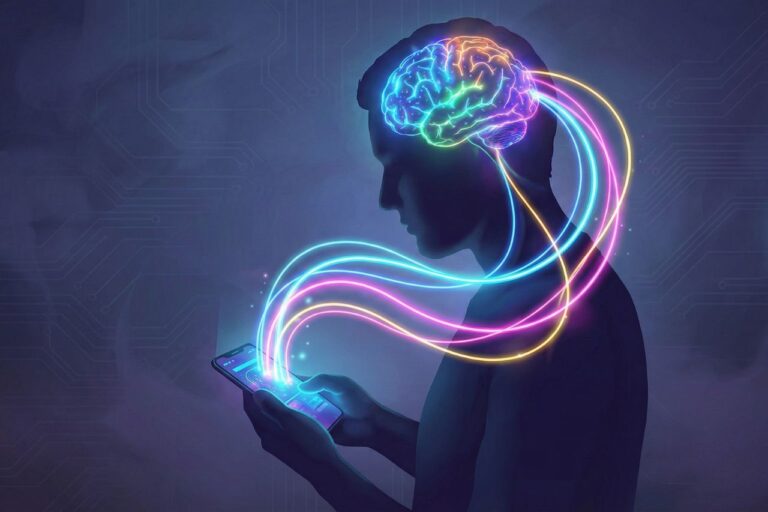
When you stare at your phone at 11 PM, you are blasting your retinas with “Daylight.” You are physically tricking your brain into thinking it is 12:00 PM, not 12:00 AM. Your brain responds by suppressing melatonin production.
You might feel physically tired (muscles heavy), but your brain is chemically “Wired.” This state of “Tired but Wired” is the hallmark of screen addiction.
Revenge Bedtime Procrastination
But it’s not just the light. It’s the content.
There is a psychological phenomenon called “Revenge Bedtime Procrastination.”
It happens to people who feel they don’t have control over their daytime life. If you work a stressful job from 9 to 6, handle chores until 8, and deal with family until 10, the night is the only time that belongs to you.
You refuse to go to sleep because sleeping means tomorrow starts, and you have to do it all over again. You stay up scrolling not because you enjoy it, but because you are reclaiming your freedom.
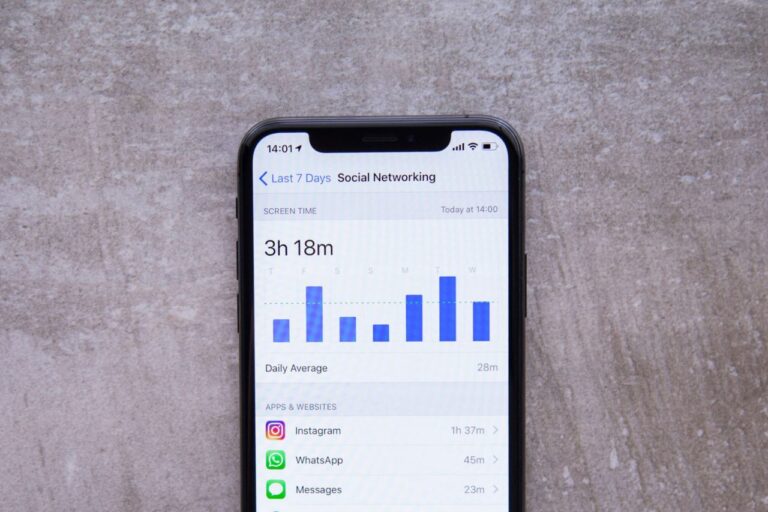
Social media feeds this urge. The infinite scroll provides a numbing dopamine hit that feels like relaxation (but is actually stimulation). It keeps your cortisol (stress hormone) elevated, making deep sleep impossible.
The “Digital Sunset” Protocol
You cannot rely on willpower at 11 PM. You are too tired to make good decisions. You need a system.
Here is a 3-step protocol to reset your circadian rhythm.
Step 1: The 1-Hour Rule (The Buffer Zone)
Stop using all screens one hour before you intend to sleep. If you want to sleep at 11 PM, all devices must be off by 10 PM. This gives your brain enough time to flush out the cortisol and start producing melatonin.
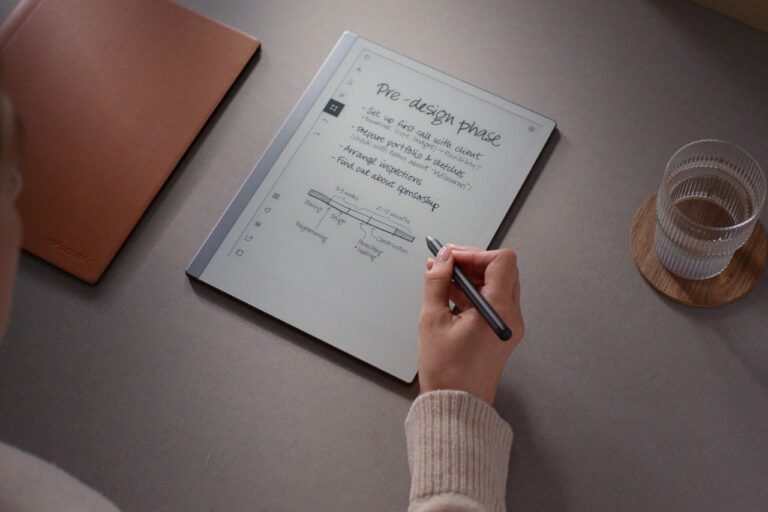
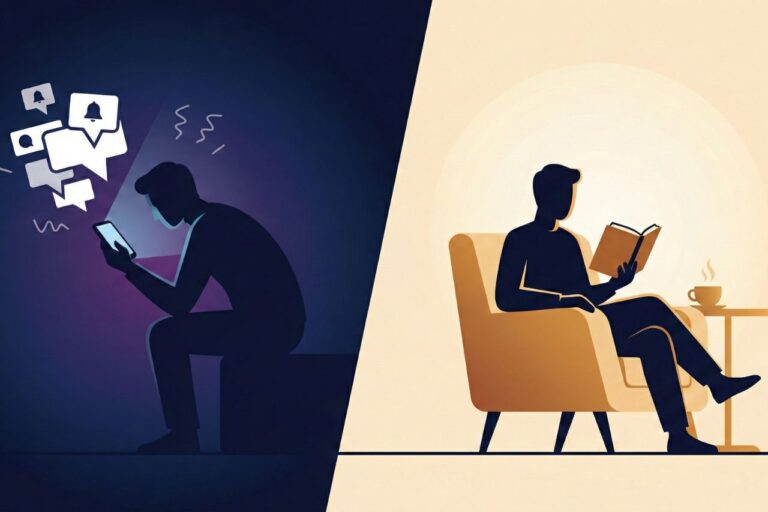
What do you do in that hour? Read a Physical Book, take a warm shower, journal, or prepare your clothes for tomorrow.
Step 2: Protect Your Eyes
If you absolutely must look at a screen after sunset (for work or an emergency), you need protection.
- Software: Turn on “Night Shift” (iOS) or “Eye Comfort Shield” (Android) to maximum warmth.
- Hardware: Wear amber-tinted Blue Light Glasses. Unlike clear lenses, amber lenses block a significant portion of the melatonin-suppressing spectrum.
Step 3: The Sanctuary Rule
This is non-negotiable. No phones in the bedroom. If your phone is on your nightstand, you will use it. It is inevitable. The mere presence of the device creates a low-level psychological alert state.
Buy a dedicated Alarm Clock. Charge your phone in the kitchen. When you walk into your bedroom, it should be a sanctuary for sleep and intimacy only. No pixels allowed.
What Happens When You Fix This?
The first few nights of a “Digital Sunset” will feel boring. You might feel anxious without your scrolling fix.
But after a week, the results are transformative:
- Sleep Latency Drops: You fall asleep in 10 minutes instead of 40.
- Deep Sleep Increases: Because your melatonin levels are natural, you get more restorative REM sleep.
- Morning Energy: You wake up feeling actually rested, not groggy.
Sleep is the Foundation
You cannot be productive, happy, or focused if you are sleep-deprived.
Prioritizing your sleep over your feed is the ultimate act of self-care. Tonight, try it. Put the phone away an hour early. Let the darkness come. Let your brain do what it evolved to do.
Rest.