Headspace vs. Calm Review: Which App is Best for Digital Fatigue?

In 2026, stress is not just an emotion; it is a default state of being.
Our phones buzz, our slack channels ping, and the news cycle never sleeps. We are over-stimulated and under-rested.
It is no surprise that the “Digital Mental Health” market is booming. Millions of people are turning to their phones—the very source of their anxiety—to find a cure for it. It is ironic, but effective.
If you type “Meditation” into the App Store, you are overwhelmed with choices. But two giants stand above the rest: Headspace and Calm.
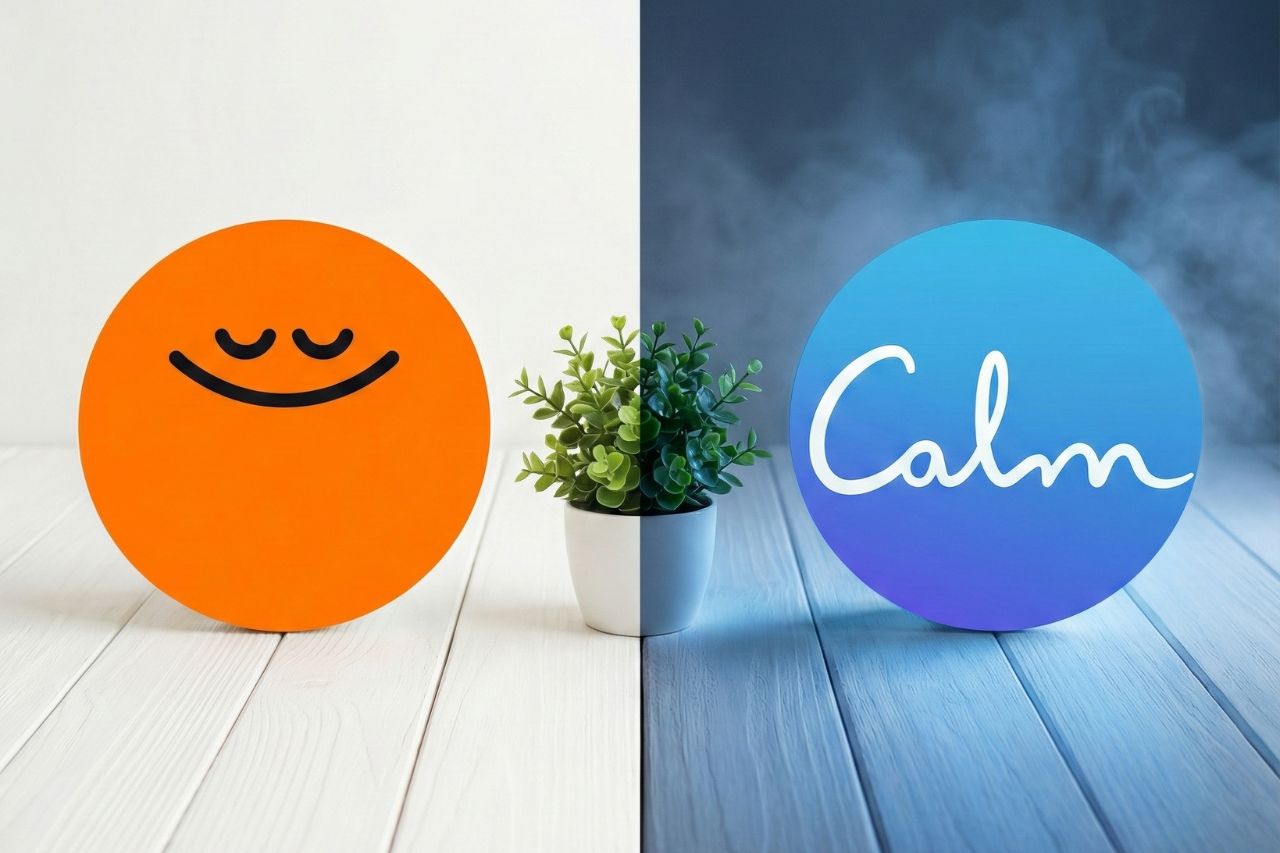
To the uninitiated, they look identical. They both cost roughly the same. They both promise better sleep and less stress. They both have millions of users.
But after testing both extensively for six months, I found that they are fundamentally different tools for different types of brains. One is a gym for your mind; the other is a warm bath for your soul.
Here is the definitive comparison to help you decide which one deserves a spot on your home screen.
Education vs. Relaxation
The biggest difference between the two isn’t the features; it’s the vibe.
Headspace is a Teacher.
Founded by Andy Puddicombe, a former Buddhist monk, Headspace feels structured. It wants to teach you how to meditate. It uses cute animations to explain complex concepts of the mind. It has a syllabus. It feels like taking a course. If you are the type of person who needs to understand the “Why” and “How” before doing something, Headspace is designed for you.
Calm is a Retreat.
Calm doesn’t care about teaching you the techniques of Vipassana. It just wants you to chill out. Immediately. When you open the app, you are greeted by the sound of rain or crickets, not a menu. It focuses on atmosphere, stories, and soothing voices. It feels less like a classroom and more like a spa.
The Interface: Clean vs. Scenic
Headspace uses a clean, white, cartoon-ish aesthetic. It is friendly and approachable. It removes the intimidation factor of meditation. The navigation is logical: Meditate, Sleep, Move, Focus. It feels like a productivity tool for your brain.
Calm uses beautiful, high-definition landscapes. You can change the background scene to a mountain lake, a rainy window, or a fireplace. It is immersive. However, the menus can sometimes feel a bit cluttered because they have so much content (music, masterclasses, stories).
Winner for Minimalism: Headspace. Winner for Atmosphere: Calm.
The Meditation Content: Structure vs. Freedom
If you are a beginner who has never meditated, Headspace is the superior choice. Its “Basics” course is the gold standard for learning mindfulness. It guides you day by day, building your skill. The voice of Andy (or the other instructors) is warm but instructional. They leave plenty of silence for you to practice.
Calm’s signature offering is the “Daily Calm”—a 10-minute session that changes every day. It usually focuses on a specific theme (Gratitude, Anxiety, Patience). It is less about technique and more about gentle reflection. However, Calm often has more background music during the meditation. For some, this is soothing. For purists, it can be distracting.
Verdict: If you want to learn a skill, pick Headspace. If you want a daily vitamin of relaxation, pick Calm.
The Sleep Features: The “Sleep Story” Revolution
For many users, the meditation features are secondary. The main event is Sleep.
This is where Calm dominates. Calm invented the “Sleep Story”—adult bedtime stories designed to bore you to sleep. They hire celebrities with incredible voices (Harry Styles, Cillian Murphy, Matthew McConaughey) to read stories about train rides through valleys or harvesting lavender. It works. The production quality is Hollywood-level. If you suffer from Tech-Induced Insomnia, listening to Matthew McConaughey talk about the universe is a potent cure.
Headspace has “Sleepcasts.” These are slightly different. They are audio tours of shifting environments (e.g., a Rainy Antique Shop). The narration changes slightly every night so your brain doesn’t memorize it. They are excellent, but they lack the star power and narrative depth of Calm.
Winner: Calm (by a mile).
The Focus Features: Music for Deep Work
Both apps have realized that users need help during the workday, not just before bed.
Headspace partnered with Hans Zimmer and other artists to create “Focus Music.” These are non-lyrical tracks designed to keep you in the zone. They are functional and effective for Deep Work sessions.
Calm has a massive library of soundscapes and Lo-Fi music. Because Calm’s DNA is “atmosphere,” their focus music feels richer. Working to the sound of “Heavy Rain on a Tin Roof” in high fidelity is a great way to block out a noisy office.
Winner: Tie.
Pricing (2026)
Both apps operate on a subscription model.
- Headspace: Approx $12.99/month or $69.99/year.
- Calm: Approx $14.99/month or $69.99/year.
Prices fluctuate with promotions, but generally, they are in the same tier. Both offer limited free versions, but to get the real value (Sleep Stories and Courses), you need to pay.
Which One Fits Your Brain?
Choose Headspace if:
- You are a beginner who wants to learn how to meditate properly.
- You prefer structure, courses, and progress tracking.
- You dislike background music during meditation.
- You want a clean, no-nonsense interface.
Choose Calm if:
- Your main struggle is sleep and you want bedtime stories.
- You find silence intimidating and prefer soothing background sounds.
- You want a less structured, more emotional experience.
- You love the idea of Matthew McConaughey reading you to sleep.
Ultimately, the best app is the one you actually use. Both offer free trials. Download both. Try Headspace for three days, then Calm for three days.
Your brain will tell you which one feels like home.