The Social Dilemma: 6 Years Later – Did We Lose the War?

Do you remember where you were when you watched The Social Dilemma?
It was likely 2020. The world was in lockdown. We were glued to our screens more than ever. Then, Netflix dropped a documentary that felt like a horror movie.
Former tech executives from Facebook, Google, and Pinterest sat in front of a camera and confessed. They told us that the tools they built were tearing apart the fabric of society. They told us, “If you are not paying for the product, you are the product.”
We were shocked. We were outraged. Millions of people deleted Facebook and Twitter that week. We promised ourselves we would change.
And then… we went back.
Now, in 2026, it has been six years since that warning siren sounded. Looking back, we have to ask the uncomfortable question: Did we listen? Or did we lose the war?
Here is a retrospective on the predictions of The Social Dilemma, and why the algorithm of 2026 is far more dangerous than the one they warned us about.
The Warning: Human Futures
The core thesis of the documentary, driven by Tristan Harris (the former Google design ethicist), was that social media companies are not selling data; they are selling certainty.
To sell certainty to advertisers, they need to predict your behavior. To predict your behavior, they need to modify your behavior.
They warned us that we were trading our attention for “free” services, but the real cost was our ability to think freely. They predicted increased polarization, teen depression, and the erosion of truth.
In 2026, looking at the political landscape and mental health statistics, it is hard to argue that they were wrong.
The Evolution: From Connection to Addiction
When the documentary aired, the villain was the “News Feed.” It was Facebook and Twitter showing us inflammatory articles to keep us engaged.
But the game has changed. The villain is no longer the News Feed; it is the “For You” Page.
TikTok changed the architecture of the internet. It stopped caring about who your friends were (Social Graph) and started caring only about what kept your eyes glued to the screen (Interest Graph).
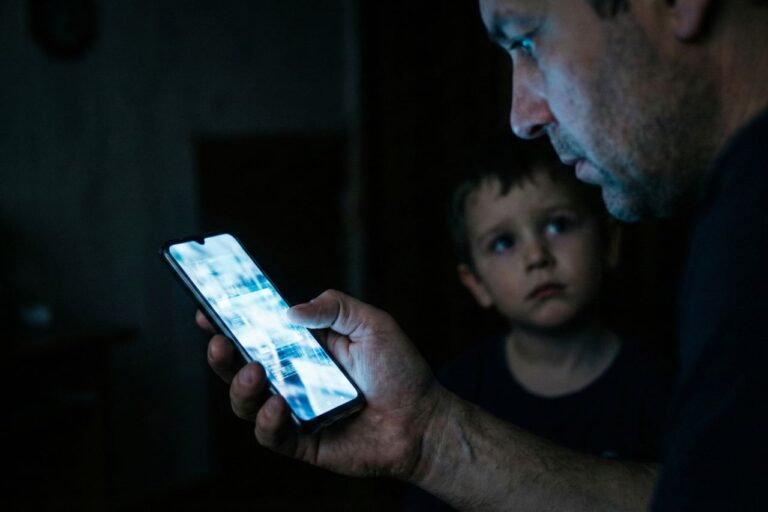
In 2026, the algorithms are no longer just showing you what your crazy uncle posted. They are serving you a hyper-optimized stream of short-form video dopamine that is mathematically impossible to resist with willpower alone.
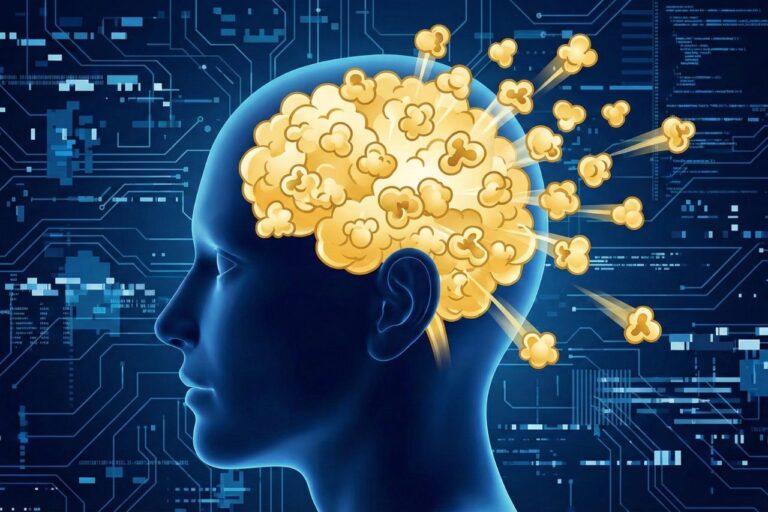
This has led to the Popcorn Brain phenomenon we discussed recently—a collective inability to focus on anything slower than a 15-second clip.
The New Threat: AI and Synthetic Reality
The one thing The Social Dilemma didn’t fully predict was the explosion of Generative AI.
In 2020, the algorithm curated content made by humans. In 2026, the algorithm can create the content.
We are entering an era of “Synthetic Reality.” AI influencers, deep-fake news anchors, and auto-generated outrage bait are flooding our feeds. The goal is no longer just to keep you scrolling; it is to keep you confused.
When you can’t tell what is real, you retreat into your echo chamber. You trust only what feels emotionally satisfying. This is the ultimate victory for the engagement model: a user base that is perpetually anxious, polarized, and glued to the screen for answers.
Why Knowing the Truth Wasn’t Enough
The tragedy of The Social Dilemma is that it assumed Awareness = Change.
It assumed that if we knew we were being manipulated, we would stop. But knowledge is not power; it is just potential.
Knowing that junk food makes you fat doesn’t make a donut taste less delicious. Knowing that Instagram destroys your self-esteem doesn’t make the dopamine hit of a “Like” feel any less good.
We failed to change because we treated it as an individual willpower problem, rather than a systemic environment problem. We tried to fight a supercomputer with our monkey brains, and we lost.
The Resistance: It’s Not Too Late
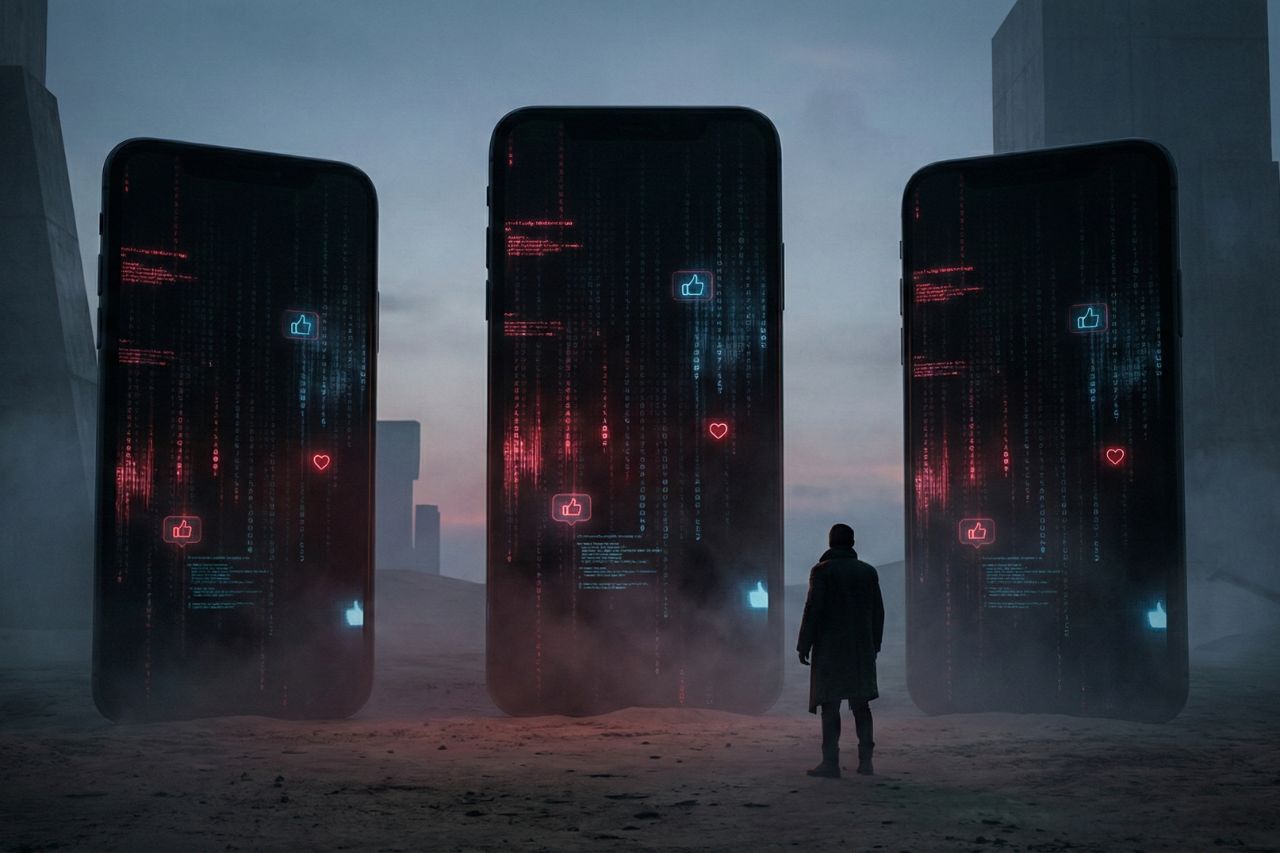
So, is it hopeless? Are we destined to be batteries powering the matrix?
No. But the strategy must change.
We cannot wait for regulation. We cannot wait for Big Tech to grow a conscience (they have shareholders to please). We must regulate ourselves.
The movement that started with The Social Dilemma has evolved into the Digital Wellness movement we see today. It is no longer about “Deleting Facebook” in a fit of rage. It is about building a sustainable lifestyle of defense.
The 2026 Resistance Toolkit:
- Hardware Defense: Using Dumbphones or keeping phones out of the bedroom.
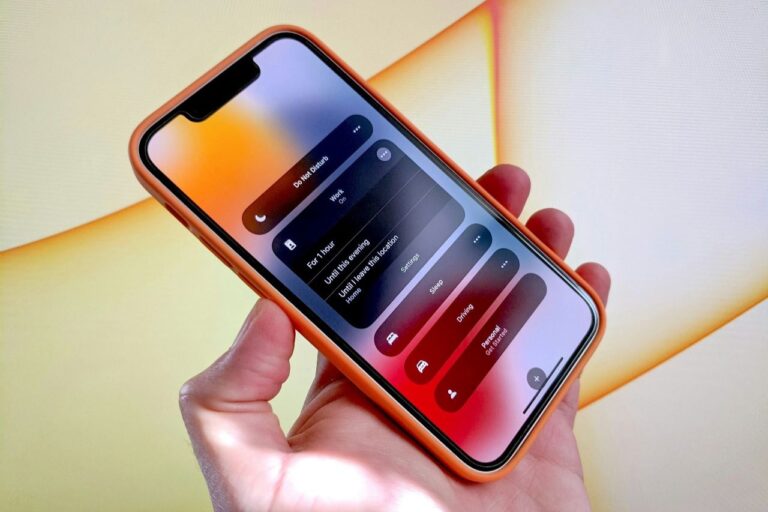
- Software Defense: Using aggressive App Blockers that act as a barrier between impulse and action.
- Biological Defense: Understanding concepts like Dopamine Detox to reset our baseline.
The Dilemma is Now a Choice
The documentary was a wake-up call, but many of us hit the snooze button.
In 2026, you have a choice to make every single morning. You can let the algorithm plan your day, dictate your mood, and choose your thoughts. Or, you can reclaim your sovereignty.
The algorithm gets smarter every single day. The question is: Are you?
If you haven’t watched The Social Dilemma recently, re-watch it this weekend. It is scarier now than it was then. Let that fear fuel your motivation to press pause.