Do Blue Light Glasses Actually Work? A Skeptic’s Review
I am naturally suspicious of the “Wellness” industry.
Every week, there is a new miracle product promising to fix our broken, burnout-riddled lives. Usually, it’s just expensive marketing wrapped around a placebo.
So, when “Blue Light Blocking Glasses” started flooding Instagram feeds a few years ago, skepticism was the rational response.
The pitch sounds too good to be true: “Just wear these plastic glasses, and you can stare at screens for 12 hours a day without headaches, eye strain, or ruining your sleep!”
It sounds like snake oil. It sounds like a tax on the gullible.
But as our collective screen time increases—and the 4 PM headaches become a global daily ritual—we have to ask: Is there actual science behind the hype? Or is it just marketing fluff?
The answer is complicated. It is a “Yes,” but not for the reasons many marketing brochures tell you.
Here is the honest truth about blue light glasses in 2026, breaking down the science, the myths, and who actually needs them.
Why Screens Hurt Us
To understand why these glasses exist, we have to look at the light spectrum.
Blue light is not inherently bad. In fact, the biggest source of blue light is the sun. It is essential. When sunlight hits your eyes in the morning, it tells your brain to stop producing melatonin (the sleep hormone) and wake up. It sets your circadian rhythm.
The problem is that our biology was not designed for the modern office environment.
We are now blasting our retinas with artificial blue light from LEDs, monitors, and smartphones long after the sun goes down.
Digital Eye Strain
High-energy visible (HEV) blue light scatters more easily than other visible light. This reduces contrast and makes your eyes work harder to focus (“accommodate”). Over an 8-hour workday, this micro-effort adds up to dry eyes, blurred vision, and headaches.
Sleep Disruption
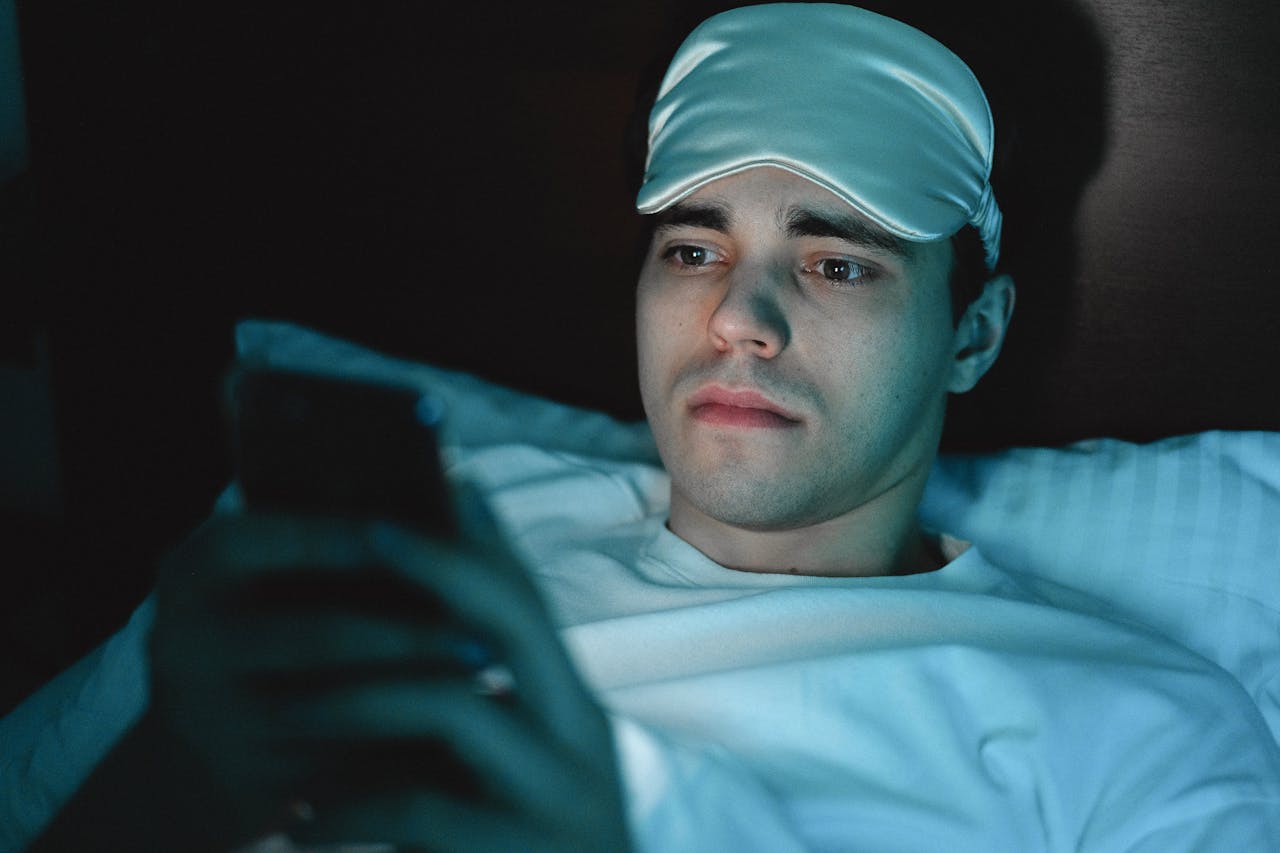
Using screens at night tricks your brain into thinking it is still noon. Your melatonin production is suppressed, making it harder to fall asleep and reducing the quality of your deep sleep.
What Happens When You Wear Them?
So, what happens if you actually put a pair on? Without relying on placebo effects, here is what you can physiologically expect.
The Color Shift
The first thing you will notice is a shift in color temperature. Depending on the brand, the world will look slightly warmer. Clear lenses have a very subtle shift, while amber lenses turn everything distinctly yellow. This warmth acts similarly to “Night Mode” on your phone—it reduces the harsh, stark white contrast of a Word document or a spreadsheet, making it physically softer on the eyes.
Reduced Glare
Most quality blue light glasses come with an Anti-Reflective (AR) coating. This is often more important than the blue light filter itself. It stops the reflection of overhead office lights or windows from bouncing off your lenses and into your eyes. If you work in a bright office, this reduction in glare is often the real cure for your headaches.
The Sleep Signal
If you wear them consistently after sunset, you are creating a physical barrier between your nervous system and the stimulating light of your environment. It signals to your body that the day is winding down, potentially improving your Sleep Latency (how fast you fall asleep).
Why Not Just Use Software?
This is the most common counter-argument. “Why spend money on glasses when I can just turn on ‘Night Shift’ mode on my iPhone for free?”
You should absolutely use Night Shift. It helps. But it is not a complete solution.
Software only changes the color of the screen. It does not block the blue light coming from:
- The harsh LED overhead lights in your office.
- The massive TV across the room.
- The streetlights outside your window.
Glasses are a hardware solution. They protect you from all environmental blue light, not just the device in front of you. Furthermore, turning your screen bright orange via software ruins color accuracy. If you are a designer or video editor, software filters are unusable. High-quality glasses filter the peak dangerous wavelengths without drastically distorting the colors you need to see.
What Should You Buy?
If you decide to invest in a pair, avoid the $5 gas station glasses. Cheap lenses often have terrible distortion that can actually cause headaches rather than cure them.
In 2026, there are three tiers of glasses worth considering based on your needs.
1. The Premium Choice: Felix Gray
Best For: Designers, Professionals, and Style-Conscious Users.
Felix Gray changed the game by focusing on lens technology rather than just tint. Instead of simply coating the lens, they embed the blue-light filtering technology inside the lens material itself.
Why It’s Good:
- Clarity: The lenses remain virtually clear. You don’t look like you are wearing safety goggles.
- Color Accuracy: Because they filter specific wavelengths, they don’t turn your white screen yellow. This is crucial if you work in creative fields.
- Build: They use high-quality acetate frames (like prescription glasses), not cheap injection-molded plastic.
[Check Prices on Felix Gray]
2. The Performance Choice: GUNNAR Optiks
Best For: Gamers, Coders, and Heavy Users.
GUNNAR is the original player in this space. They have been making glasses for e-sports gamers for over a decade. They prioritize function over form.
Why It’s Good:
- Maximum Protection: Most GUNNAR glasses use a distinct Amber tint. This blocks significantly more blue light (about 65%) compared to clear lenses (which block ~15-30%).
- Focus: Some models have a slight magnification option that helps reduce strain when reading small text or code for hours.
- Wrap-around: Many designs curve slightly around the face to create a micro-climate that keeps humidity in, preventing dry eyes.
[Check Prices on Amazon]
3. The Budget Choice: Livho / Amazon Brands
Best For: The Beginner Testing the Waters.
If you aren’t sure if blue light glasses will help you, you might not want to drop $100 immediately. Brands like Livho or TIJN on Amazon offer entry-level options.
The Trade-off: They will block some blue light, and they will reduce glare. However, be aware that the lens clarity is lower than premium brands. They are more prone to smudging and scratches. Think of these as “starter glasses” to test if the concept works for you before upgrading.
[Check Prices on Amazon]
Do You Need Them?
Glasses aren’t magic pills. They won’t fix bad posture or stress. But as a tool for digital hygiene, they have a clear use case.
You DO NOT need them if:
- You only use screens for 1-2 hours a day.
- You spend most of your day outdoors in natural light.
You SHOULD consider them if:
- You work 6+ hours a day in front of a monitor.
- You work under fluorescent lights (common in offices).
- You suffer from digital eye strain (dry eyes, blurry vision) by the afternoon.
- You have trouble winding down before sleep.
Think of them like sunglasses for your computer. You wouldn’t stare at the sun without protection; staring at a lightbulb for 8 hours a day deserves similar caution.