Digital Detox Re-Entry: How to Avoid the Day 8 Relapse

You did it.
You committed to a 7-day digital detox. You locked your phone away. You spent the week reading books, walking in nature, and having real conversations.
By Day 7, you felt amazing. Your brain felt clear. Your anxiety had vanished. You told yourself, “I am cured. I will never go back to my old habits.”
Then came Day 8.
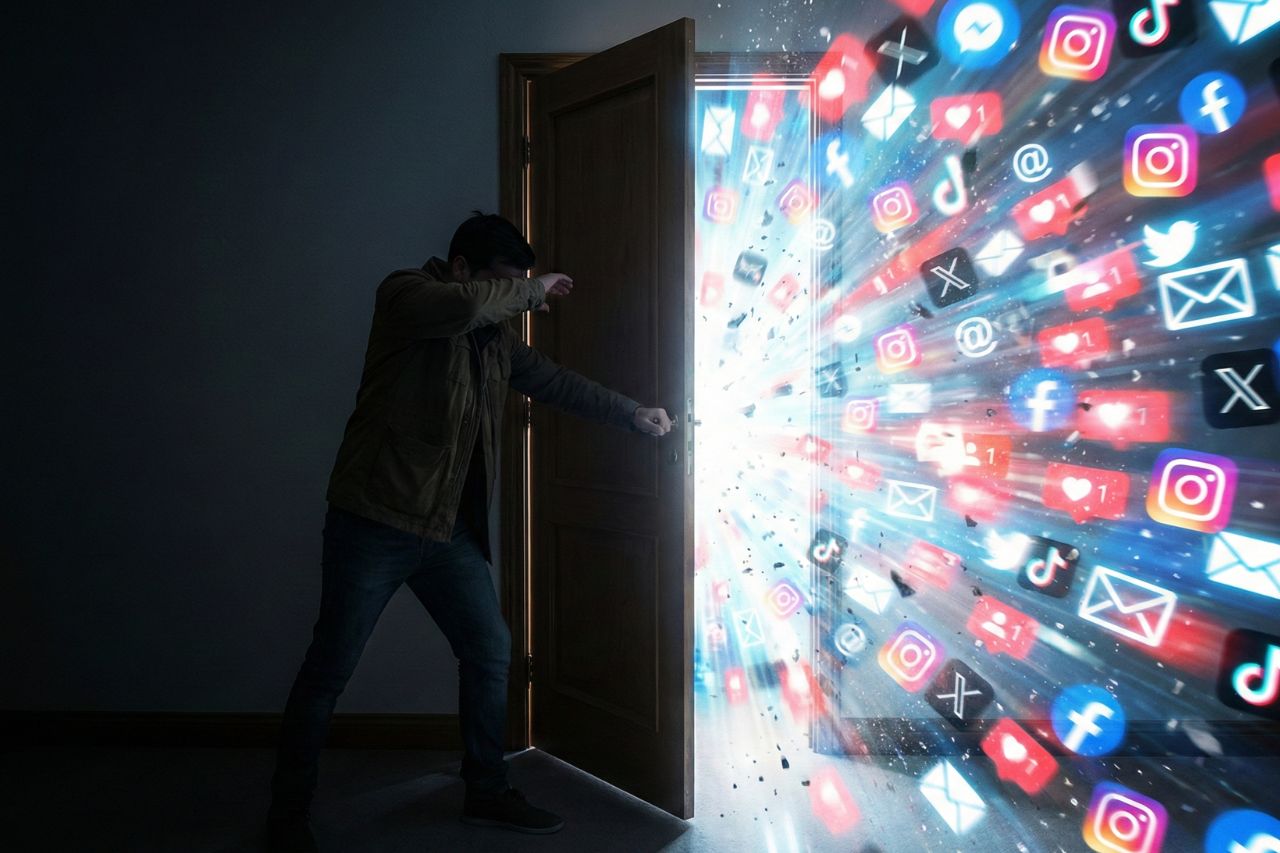
You turned your phone back on. Specifically, you re-downloaded Instagram or TikTok.
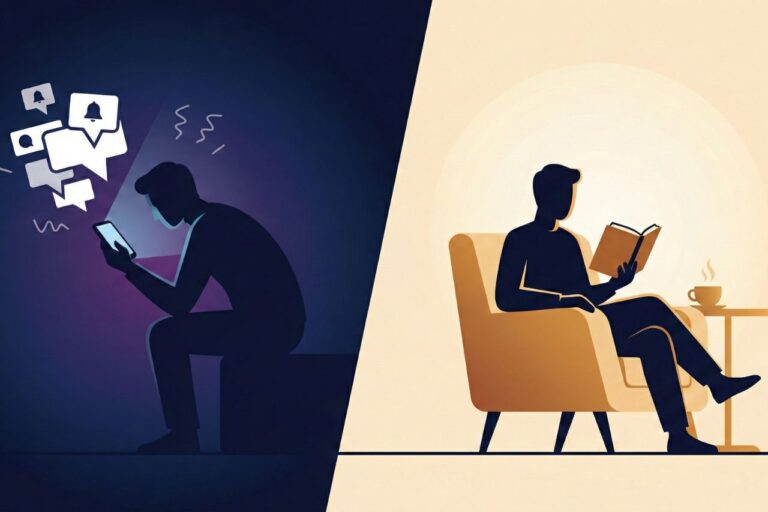
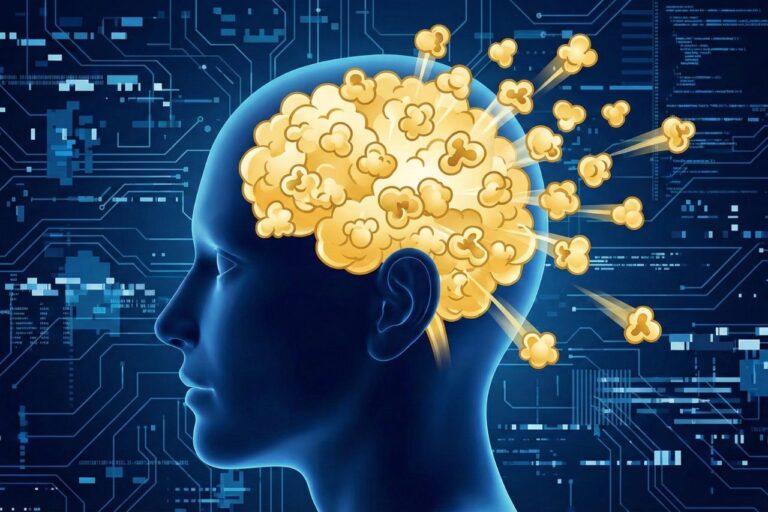
Within seconds, your screen exploded with a week’s worth of notifications. DMs you missed. News you missed. Memes you missed. The sheer volume of information hit your brain like a tidal wave.
You panicked. You spent the next three hours frantically catching up, scrolling faster and harder than you did before the detox started. By the end of the day, you felt worse than you did on Day 1.
This phenomenon has a name. In the aerospace industry, it is called Re-Entry Shock. It is the violent turbulence a spacecraft experiences when re-entering the atmosphere.
In the world of digital wellbeing, it is the number one reason why detoxes fail.
Hi, I’m Finn Albar.
We treat digital detoxes like a finish line. We think once we complete the “challenge,” the work is done. But new research published in 2025 reveals that the most dangerous part of a detox isn’t the disconnection. It is the Reconnection.
Based on a deep-dive study of Generation Y users, here is why the “Boomerang Effect” happens, and the exact protocol you need to survive Day 8.
The Lifecycle of a Detox
To understand why we crash, we need to look at the anatomy of the journey.
In a 2025 study titled Exploring the Digital Detox Journey, researchers Scheppe, Seiffen, and Berndt mapped out the emotional trajectory of people attempting to quit social media.
They discovered that a detox is not a static event. It is a dynamic journey with three distinct stages, each with its own psychological risks.
Stage 1: The Motivation (The Push)
This is where you are now. You feel the 7 Silent Signs of burnout. You want to regain control. You are motivated by a desire for “Self-Reformation.” You enter the detox with high hopes.
Stage 2: The Experience (The High and The Low)
During the detox, the study found a mix of emotions.
- The Withdrawal: Initially, participants felt “disorientated” and “bored.” They experienced phantom vibrations. (Read more on Dopamine Detox to understand this phase).
- The Clarity: But soon, this gave way to “Happiness,” “Relief,” and “Productivity.” Participants reported sleeping better and feeling more connected to reality.
Stage 3: The Post-Detox (The Danger Zone)
This is where the study uncovered the critical flaw. When the detox ended, many participants didn’t maintain their zen state. They experienced a “Boomerang Effect.”
The Boomerang Effect
The researchers described the Boomerang Effect as a rapid return to old patterns, often with greater intensity.
“I more or less went back to my normal usage,” one participant admitted with disappointment. Another noted that their screen time actually increased immediately after the detox because they were “checking missed activities.”
Why does this happen?
1. The Scarcity Mindset
During the detox, you starved your brain of dopamine. When you return, your brain is ravenous. It doesn’t just want a snack; it wants a feast. The backlog of unread messages and unseen posts acts as a “Supernormal Stimulus.” You binge-scroll to make up for lost time.
2. The Backlog Anxiety
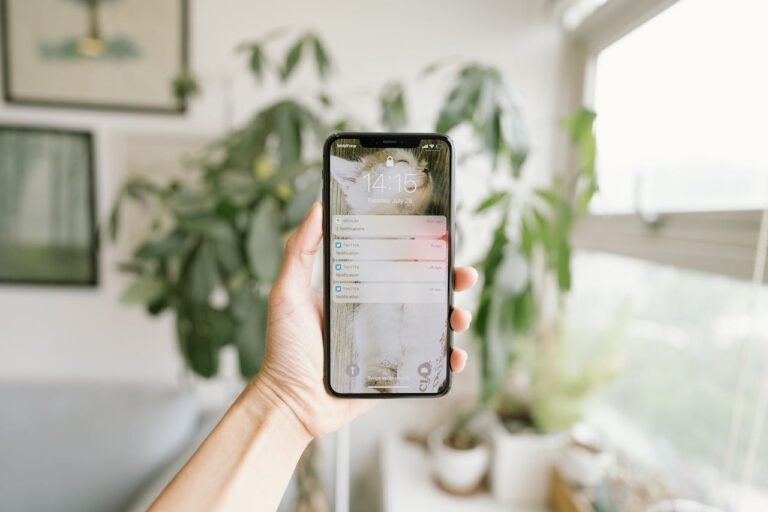
The world didn’t stop while you were away. Emails piled up. Group chats continued. When you turn your phone on, you aren’t starting from zero. You are starting from a debt. You have 500 unread notifications. This triggers a cortisol spike (stress) that pushes you immediately into “Reactive Mode.” You lose your intention instantly because you are just trying to survive the flood.
3. The Binary Fallacy
We tend to view our relationship with tech as “On” or “Off.” When we are “Off” (Detox), we are virtuous. When we are “On,” we assume we must be fully on. We lack the skills for the middle ground.
Why “Cold Turkey” is Insufficient
The 2025 study highlights a crucial insight: Disconnection is easy. Integration is hard.
Quitting technology for a week is actually the easy part. You remove the temptation physically. You don’t have to use willpower because the option isn’t there.
But living with technology requires constant, micro-level willpower.
The study found that participants who failed to plan their re-entry experienced “Guilt” and “Disappointment.” They felt like failures because they couldn’t maintain the detox lifestyle in the real world.
But they didn’t fail. Their strategy failed. They used a short-term tactic (abstinence) to solve a long-term problem (integration).
The Protocol Designing Your Re-Entry
If you are planning a detox, you must plan your return even more carefully than your departure. You need a Re-Entry Protocol.
Here is a 4-step system to ensure Day 8 doesn’t undo the progress of Days 1-7.
Step 1: The “Air Lock” Phase
When astronauts return from space, they don’t just open the door. They go through an airlock to acclimatize.
When you turn your phone back on, do not open the floodgates.
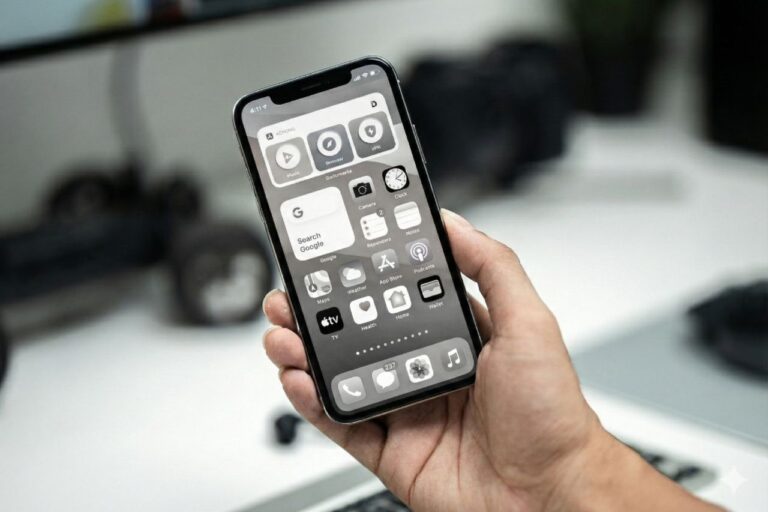
- Keep it Grayscale: Before you unlock your phone, ensure it is still in Grayscale Mode. This dampens the visual impact of the colorful notification badges.
- Do Not Re-Install Yet: If you deleted apps (Instagram/TikTok), do not re-install them on Day 8. Wait until Day 10. Give yourself a buffer period where you have your phone for utilities (Maps/Spotify) but not for scrolling.
Step 2: The “Feed Cleanse” (First Priority)
The first thing you do when you open social media should not be scrolling. It should be auditing.
As we discussed in our breakdown of the Feed Cleanse vs Time Limits study, the content you consume matters more than the time.
- You have been away for a week. You have broken the parasocial bonds.
- Look at your feed. Who did you actually miss? Who did you not miss at all?
- Unfollow ruthlessly. If you didn’t miss their content during your detox, you don’t need it in your life.
Step 3: The “Artificial Obstacles”
The Scheppe et al. study found that successful participants created “Artificial Obstacles” to prevent sliding back into old habits.
You need to add friction.
- The Folder: Don’t put apps back on your home screen. Bury them in a folder on the second page.
- The Logout: Log out of the apps every time you close them. The 5 seconds it takes to log in is enough time for your rational brain to ask: “Do I really need to check this?”
- The Launcher: If you are on Android, use a Minimalist Launcher to keep the interface text-based.
Step 4: The “Batch” Reconnection
You will have a backlog of messages. Do not try to reply to everyone instantly. This leads to Digital Etiquette Anxiety.
Use the Batching Method we use for email.
- Send a broadcast message or status update: “Back online! Slowly catching up on messages. Thanks for patience.”
- Set a timer for 30 minutes. Reply to the VIPs. Then stop.
- Do not apologize for the delay. You were living your life.
The “New Normal”
The goal of a digital detox is not to live in a cabin forever. The goal is to reset your baseline.
The study showed that successful participants experienced a “Re-evaluation of IG.” They realized they didn’t need to check it 20 times a day. Once a day was enough.
They moved from Unconscious Consumption to Conscious Consumption.
They realized that the “Fear of Missing Out” (FOMO) was a lie. They missed nothing. But by being online, they were missing everything else.
The Landing Matters
If you launch a rocket but crash the landing, the mission is a failure.
Treat your digital detox the same way. The days you spend offline are powerful, but the moment you come back online is the true test.
Don’t let the shock of re-entry burn you up. Prepare for it. Control the flow. You are not returning to the old way of doing things. You are returning as a new operator of the machine.
Further Reading
Scheppe, M. M., Seiffen, A. L., & Berndt, A. (2025). "Exploring the digital detox journey among generation Y Instagram users." Published in Information Technology & People. Read the study here

Seekis, V., et al. (2025). "To detox or not to detox? The impact of different approaches to social media detox strategies on body image and wellbeing." Published in Body Image. Read the study here

Radke, T., et al. (2022). "Digital detox: An effective solution in the smartphone era? A systematic literature review." Published in Mobile Media & Communication. Read the study here