The Pomodoro Technique: Does it Work for Screen Addicts?

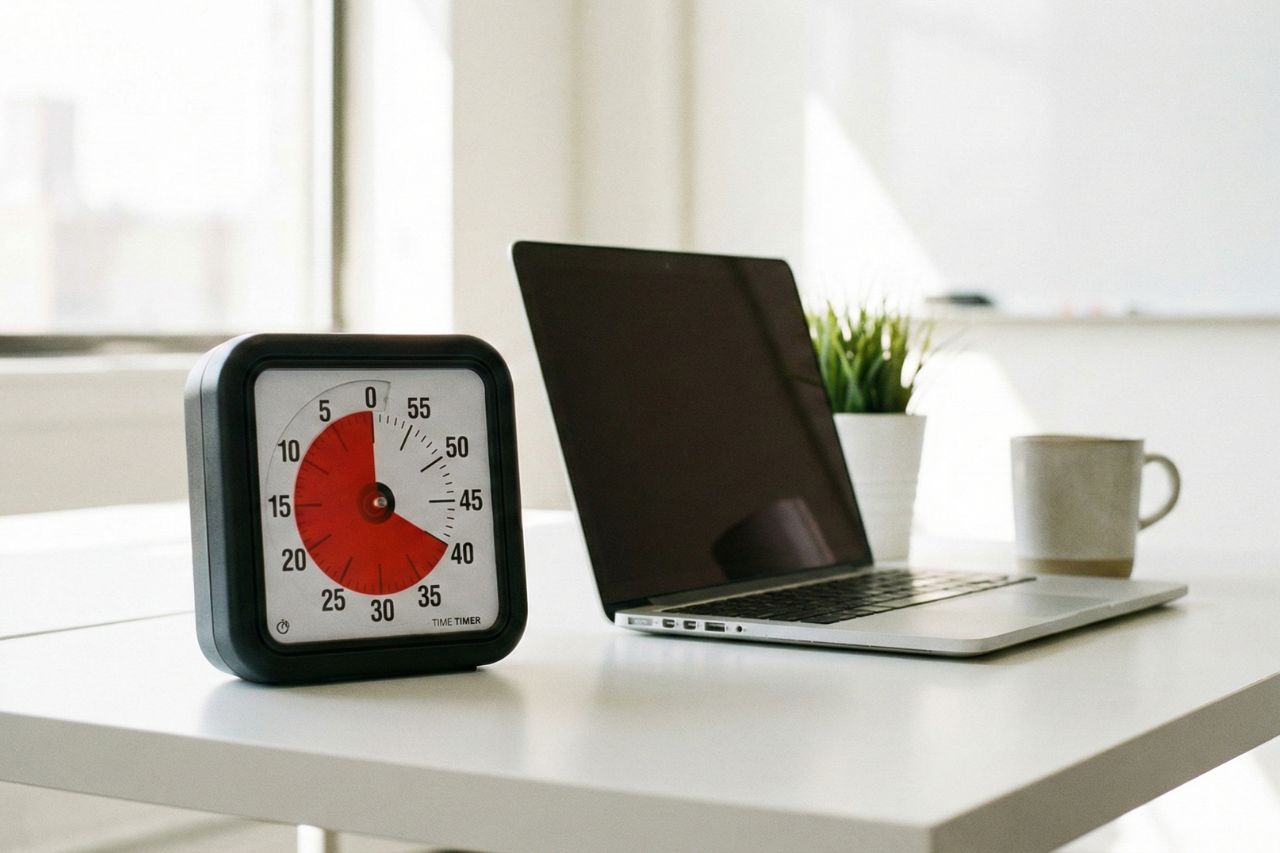
You sit down to work. You have a big project due. You tell yourself, “I am going to focus for the next three hours.”
Ten minutes later, you are on Wikipedia reading about the history of cheese.
We have all been there. Setting a goal to “focus” is easy; actually wrangling your attention span is hard. Especially when our brains have been rewired by short-form video content to expect a dopamine hit every 15 seconds.
If the idea of Deep Work (focusing for 90 minutes straight) sounds intimidating or impossible to you right now, you need to start smaller.
You need a tomato.
The Pomodoro Technique has been around since the late 1980s, but in 2026, it is experiencing a resurgence. Why? Because it is the perfect antidote to our fragmented attention spans.
Here is why breaking your day into 25-minute chunks is the secret to curing procrastination, and why you should probably buy a physical kitchen timer to do it.
What is the Pomodoro Technique?
It was invented by Francesco Cirillo, a university student who was struggling to study. He grabbed a kitchen timer shaped like a tomato (pomodoro in Italian), set it for 25 minutes, and made a pact with himself: “I will work until the timer rings. Then I can take a break.”
It worked.
The Protocol is simple:
- Choose a task.
- Set a timer for 25 minutes.
- Work until the timer rings.
- Take a short break (5 minutes).
- Repeat. After 4 cycles (“Pomodoros”), take a long break (20-30 minutes).
The Psychology: Why 25 Minutes?
Why does this work better than just saying “I’ll work until I’m done”?
It leverages Parkinson’s Law: “Work expands to fill the time available for its completion.”
If you give yourself “all afternoon” to write an email, it will take all afternoon. If you give yourself 25 minutes, your brain kicks into a higher gear. The ticking clock creates a synthetic sense of urgency.
Furthermore, 25 minutes is low stakes. If I tell you to write a 2,000-word essay, your brain feels overwhelmed and procrastinates. If I tell you to “just write for 25 minutes,” your brain says, “Okay, I can do that. It’s less than a sitcom episode.” It lowers the barrier to entry.
The Problem: Using Your Phone as a Timer
Here is where most people fail in 2026. They say, “Great, I’ll use the Clock app on my iPhone.”
Do not do this.
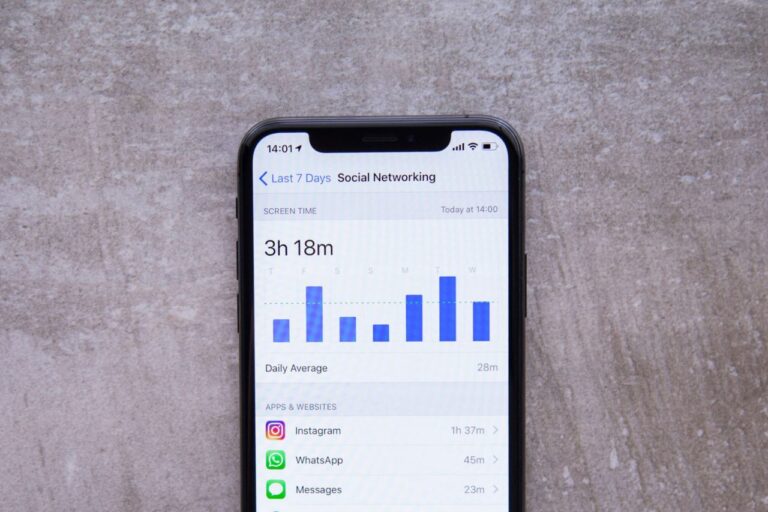
Your phone is the enemy. It is the distraction you are trying to avoid. If you pick up your phone to set the timer, you will see a notification. You will check WhatsApp. You will get lost. If you pick up your phone to turn off the timer, you will immediately open Instagram as your “break.”
To make Pomodoro work for screen addicts, you need to decouple the timer from the distraction device.
The Toolset: Physical vs. Digital
You have three options for timers. Choose wisely.
1. The Classic Kitchen Timer (Analog)
- Cost: $5 – $10.
- Experience: You physically twist the dial. It ticks loudly (which creates a “soundtrack of work”). When it rings, it’s jarring.
- Verdict: Good for purists, but the ticking sound drives some people crazy.
2. The Visual Timer (Best Choice)
- Cost: $20 – $30.
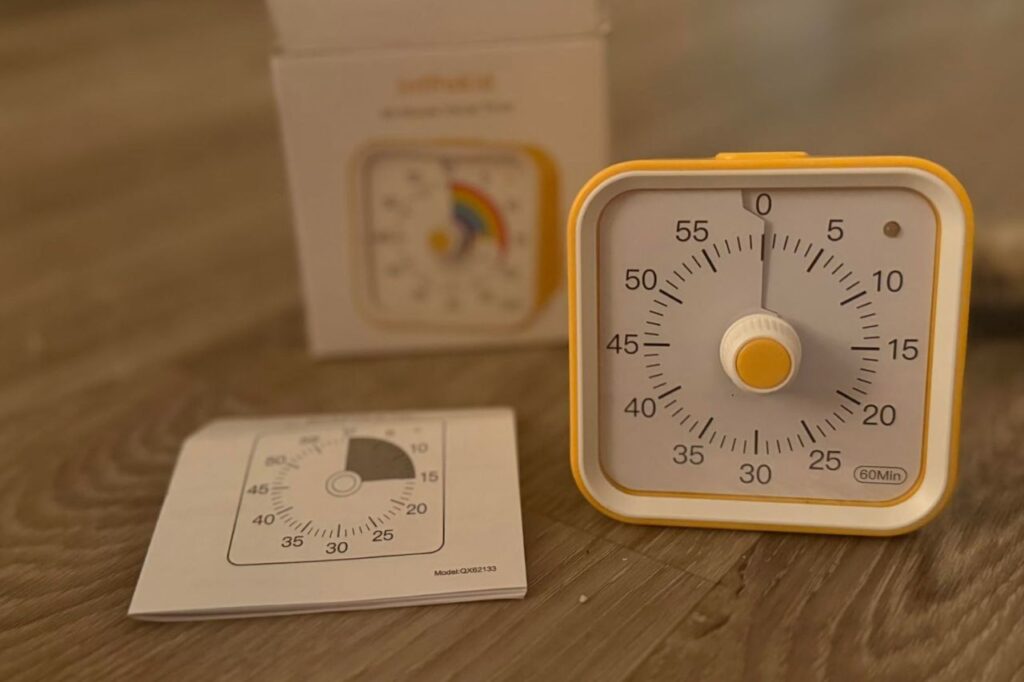
- Experience: Brands like Time Timer use a red disk that disappears as time passes. It allows you to see time vanishing without reading numbers. It is silent and incredibly effective for ADHD brains.
- Verdict: Highly Recommended. It visualizes the abstract concept of time.
3. The Digital Cube (Easiest)
- Cost: $15.
- Experience: A gravity-sensing cube with numbers (15, 30, 60) on the sides. You just flip the “25” side up to start the timer. Flip it back to stop.
- Verdict: Fun, tactile, and frictionless.
The Break: How to Rest Properly
The most important part of the Pomodoro technique isn’t the work; it’s the 5-minute break.
Most people use the break to check social media. This is a mistake.
If you switch from a spreadsheet (cognitive focus) to TikTok (cognitive overload), your brain never rests. You are just switching the type of exhaustion.
Better Break Ideas:
- Stand up and stretch.
- Look out a window (soft focus).
- Drink a glass of water.
- Pet the cat.
- Do 10 pushups.
The goal is to let your brain idle so it can recharge for the next sprint.
When to STOP Using Pomodoro
The Pomodoro Technique is training wheels. It is great for:
- Doing boring tasks (taxes, emails, cleaning).
- Starting a task you are dreading.
- Days when your brain feels like mush (Popcorn Brain).
However, it is terrible for Deep Flow. If you are writing, coding, or designing, and you finally get “in the zone,” the worst thing that can happen is a timer ringing and interrupting you.
The Strategy:
Use Pomodoro to start. Use it to overcome inertia. But if you hit the 25-minute mark and you are flying? Ignore the timer. Keep going. Transition from Pomodoro into Deep Work.
The Antidote to Procrastination
Procrastination is not about laziness; it is about emotional regulation. We avoid work because it makes us feel anxious or overwhelmed.
The Pomodoro Technique shrinks the scary mountain of work into a series of small, manageable molehills.
You don’t have to finish the project today. You just have to do one tomato. And anyone can do one tomato.