Stop “Ghosting” Anxiety: The Case for Being a Slow Responder


I want you to imagine a scenario.
You are sitting at dinner with a friend. You are laughing, eating good food, and having a deep conversation. Suddenly, a stranger walks up to your table, taps you on the shoulder, and demands: “Hey, look at this meme I just found.”
In real life, that would be incredibly rude. You would tell the stranger to go away.
But in the digital world, we allow this to happen hundreds of times a day.
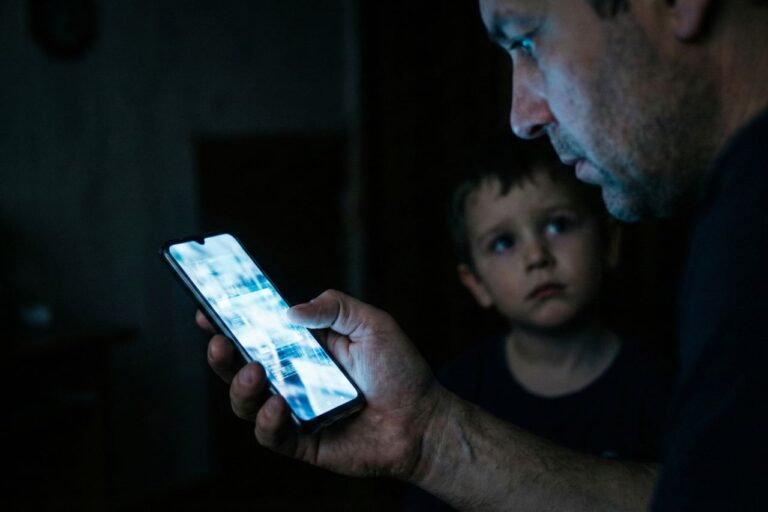
When your phone buzzes in your pocket with a WhatsApp message, it is a demand for your immediate attention. It pulls you out of your current reality and forces you into someone else’s.
And the worst part? If you don’t reply immediately, you feel guilty.
You worry that your friend will think you are mad at them. You worry that you are being rude. You worry that you are “ghosting” them.
We have unwittingly signed a social contract that says: “Because I have a smartphone, I am available to everyone, at all times, forever.”
I am here to tear up that contract.
Hi, I’m Finn Albar.
I am a proud Slow Responder. It takes me hours, sometimes days, to reply to text messages. And contrary to popular belief, I still have friends. In fact, my relationships are stronger because of it.
Here is why you need to stop apologizing for your late replies, and how to embrace the art of Asynchronous Communication.
The Tyranny of the “Read Receipt”
In 2026, communication technology has outpaced human biology.
For thousands of years, communication was either immediate (talking face-to-face) or very slow (sending a letter). There was no middle ground.
Instant messaging created a monstrous hybrid. It feels like a conversation, but it happens remotely. The invention of the “Read Receipt” (the double blue ticks) weaponized our anxiety. It turned communication into a surveillance state.
We know when someone has seen our message. We know when they are typing. This creates a pressure cooker of expectation.
- “They saw it but didn’t reply. Do they hate me?”
- “I saw it, so I have to reply now, or they will think I hate them.”
This constant low-level anxiety drains our cognitive battery. We are perpetually in a state of “continuous partial attention,” keeping one eye on our notifications just to maintain our social standing.
Ghosting vs. Slow Responding
Let’s clarify something important. Being a Slow Responder is not the same as Ghosting.
Ghosting is disappearance. It is ending a relationship without explanation. It is cowardice.
Slow Responding is pacing. It is prioritizing the person in front of you over the person in your pocket. It is waiting until you have the mental energy to give a thoughtful reply, rather than sending a hurried emoji just to stop the notification badge.
A quick, mindless reply says: “I want this interaction to be over.” A delayed, thoughtful reply says: “I wanted to wait until I could give you my full attention.”
The Philosophy of “Asynchronous Communication”
The business world is slowly realizing that instant messaging (Slack/Teams) destroys productivity. They are moving toward Asynchronous Communication—sending a message without expecting an immediate reply.
We need to apply this to our personal lives.
When you send a text, you are throwing a ball. You should not expect the ball to be thrown back instantly. The receiver might be driving. They might be working. They might be sad. Or they might just be Silent Walking and enjoying a moment of peace.
By respecting your own time, you subconsciously teach others to respect it too.
How to Become a Slow Responder
You cannot just vanish. That is rude. You need to train your circle on how to interact with the new you.
Here is the protocol for transitioning from “Always On” to “Intentionally Available.”
1. Kill the Notifications
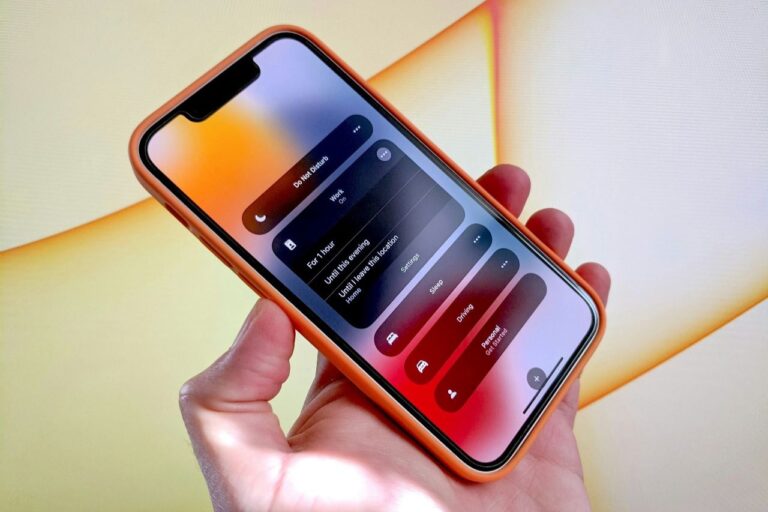
You cannot be a slow responder if your phone buzzes every time a message comes in. The Pavlovian urge to check is too strong. Go to your settings. Turn off all badges and banners for WhatsApp, iMessage, and Instagram. This changes the dynamic from Push (the app interrupting you) to Pull (you checking the app when you are ready).
2. The “Batching” Habit
Treat text messages like email. Check them 3 or 4 times a day.
- Morning check.
- Lunch check.
- Evening check. In between those times, live your life. If it is a true emergency, people will call you. (Make sure your Focus Mode allows calls from favorites).
3. The “Expectation Setting” Script
If you have friends who are used to instant replies, they might get worried at first. You need to communicate your new boundary.
Don’t make a big dramatic announcement. Just drop it casually into conversation:
“Hey! I’ve been trying to stay off my phone lately to focus on work/mental health, so I’m terrible at texting back quickly. If it’s urgent, just call me, okay?”
This script does two things:
- It reassures them that your silence isn’t personal.
- It gives them a backdoor (calling) for emergencies.
Dealing with the Guilt
The hardest part isn’t the technology; it’s the guilt.
You will see a message from your mom or your best friend, and you will feel a pang of obligation. You will think, “It will only take 10 seconds to reply.”
But it never takes 10 seconds. It takes 10 seconds to reply, then 5 minutes to wait for their reply, then another 10 seconds to reply again. Suddenly, you are trapped in a 30-minute text chain that interrupts your Deep Work.
Remind yourself: You do not owe anyone access to your brain 24/7.
Your obligation as a friend is to be supportive, loving, and present when you are with them or when you are talking. Your obligation is not to be an on-demand chat bot.
Verdict: Presence is the New Currency
In 2026, speed is cheap. Anyone can send a “thumbs up” emoji in two seconds.
Presence is expensive. Presence is rare.
When you stop replying instantly, you stop living in the shallow end of the pool. You stop having 50 fragmented conversations and start having 5 meaningful ones.
When you finally do reply to that text, your friend will know that you aren’t just reacting to a buzz in your pocket. They will know that you sat down, opened their message, and chose to spend your time connecting with them.
That is not rude. That is respect.
So, put the phone down. Let the message sit unread for an hour. The world will keep turning. And when you come back, you’ll be a better friend for it.