The ADHD-Smartphone Link: Why Screens Hit Neurodivergent Brains Harder


“Just use more willpower.” “Just put the phone in another room.” “Why can’t you just focus?”
If you have ADHD (Attention Deficit Hyperactivity Disorder), you have heard these phrases your entire life. And when it comes to smartphone addiction, these phrases aren’t just annoying—they are scientifically wrong.
For a neurotypical brain, a smartphone is a distraction. For an ADHD brain, a smartphone is a prosthetic dopamine gland.
In 2026, we are finally understanding the link between neurodivergence and digital addiction. It turns out, if you have ADHD, the algorithm isn’t just targeting you; it was practically built for you.
Hi, I’m Finn Albar.
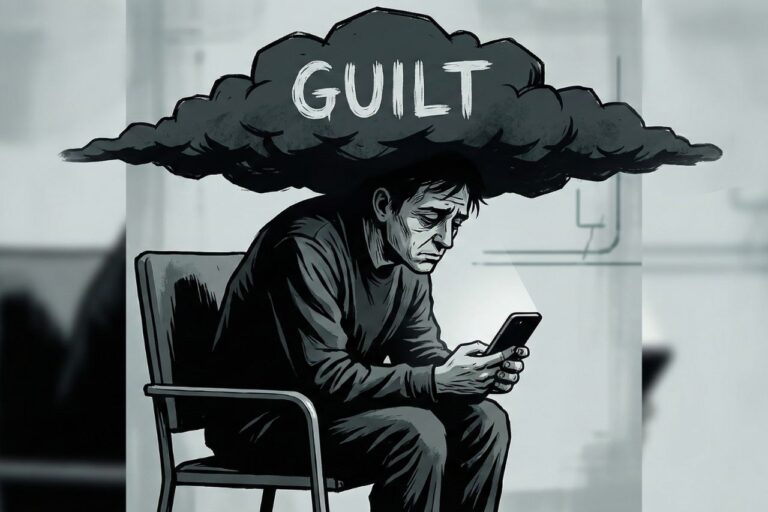
I wanted to write this because I see so much shame in the community. People think they are lazy because they can’t stop scrolling TikTok. You aren’t lazy. Your brain chemistry is being hacked.
Here is the science of why screens hit neurodivergent brains harder, and the specific strategies (not generic advice) that actually work.
The Dopamine Deficit
To understand the addiction, you must understand the deficit.
ADHD brains typically have lower levels of Dopamine and Norepinephrine. These are the neurotransmitters responsible for motivation, reward, and focus. A neurotypical person has a steady “baseline” of dopamine. They can do a boring task (like laundry) because their baseline is high enough to sustain them.
An ADHD person starts with a deficit. They are chronically “under-stimulated.” Their brain is constantly hunting for something to bring them up to baseline.
Enter the Smartphone.
Social media is a Variable Reward System (like a slot machine).
- Swipe down: Nothing.
- Swipe down: Nothing.
- Swipe down: FUNNY VIDEO! (Dopamine Spike).
For an ADHD brain that is starving for stimulation, this loop is irresistible. The phone offers a high-speed, infinite source of dopamine with zero friction. It soothes the painful feeling of boredom instantly.
The Time Blindness Trap
One of the core symptoms of ADHD is Time Blindness. You sit down to check Instagram for “5 minutes.” You look up, and it is 3 hours later. The sun has set. You haven’t eaten.
This happens because ADHD brains struggle with “prospective memory” (remembering to do things in the future) and sensing the passage of time. Screens exacerbate this.
- Infinite Scroll: There are no stopping cues. No pages to turn. No “End of Chapter.”
- Hyperfocus: When the ADHD brain finally locks onto something stimulating (like a Reddit thread or a video game), it enters a state of flow so deep that bodily needs (hunger, bladder) are ignored.
This isn’t a lack of discipline. It is a state of trance.
The Object Permanence Problem
“Out of sight, out of mind.” For ADHDers, this is literally true. If a task isn’t visible, it doesn’t exist.
This creates a paradox with smartphones:
- If the phone is visible: You will pick it up. You cannot filter out the visual cue.
- If the phone is hidden: You might forget to text your mom back for 3 weeks.
This struggle with Object Permanence makes “Moderation” nearly impossible. You are either All-In (doom-scrolling) or All-Out (losing your phone under the couch).
Strategies That Actually Work
Standard advice like “set a timer” doesn’t work because you will just hit snooze. Here are neuro-inclusive strategies.
1. Visual Friction (Grayscale is King)
We mention this often, but for ADHD, it is non-negotiable. Go to Settings > Accessibility > Display > Color Filters > Grayscale.
Why:
It removes the visual “candy.” When the red notification bubbles turn gray, they stop triggering the “Urgency” signal in your amygdala. The phone becomes a tool, not a toy.
2. The “Body Doubling” Method
ADHD brains struggle to self-regulate, but they co-regulate beautifully. Body Doubling is simply working alongside someone else.
The Strategy:
Do not try to detox alone. Tell a friend (or use a site like Focusmate). “I am putting my phone in the drawer for 1 hour to write. Watch me.”
The social pressure acts as an external executive function.
3. Replace, Don’t Remove
You pick up your phone because your hands need to move. This is “Stimming” (Self-Stimulatory Behavior). If you take the phone away but don’t give your hands something else, you will feel anxious.
The Solution:
Get a high-quality fidget toy. A spinner, a worry stone, or a tactile phone case. When the urge to scroll hits, grab the toy instead. Keep the hands busy so the brain can relax.
4. Externalize Time
Since you have Time Blindness, you cannot trust your internal clock.
The Solution:
Use analog visual timers (like the Time Timer). This is a clock that shows a shrinking red disk. It turns “Time” (an abstract concept) into a “Red Slice” (a concrete visual object). Seeing the red slice disappear creates the urgency you need to close the app.
The “Wait-to-Send” Rule
ADHD comes with impulsivity. You see a text, you reply instantly with a joke that might be inappropriate. You see an ad, you buy it instantly.
Create a digital speed bump.
- The Rule: “I am allowed to write the reply/draft the email, but I must wait 10 minutes to hit send.”
- Often, once the dopamine of writing it fades, you realize you don’t actually want to send it.
Final Verdict: Be Kind to Your Brain
If you have ADHD, your smartphone is the most dangerous object in your house. It was engineered by PhDs to exploit exactly the weaknesses your brain has.
Stop beating yourself up for struggling. Shame is not a productivity tool.
Instead, build an environment that protects you.
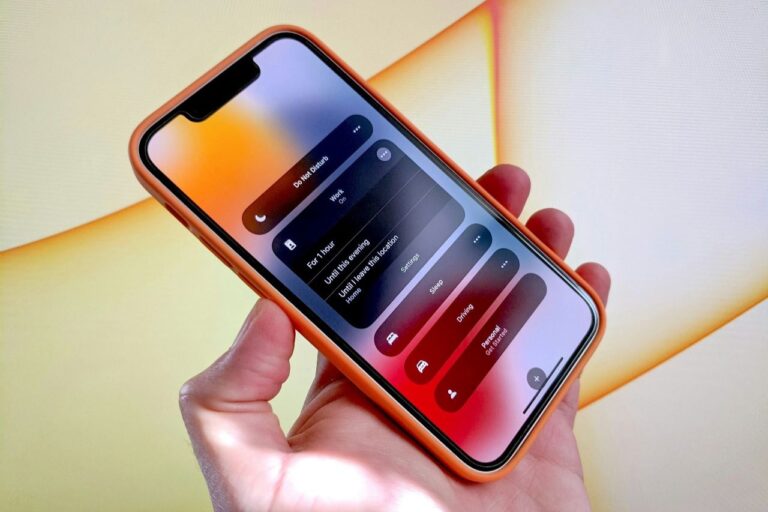
- Make the phone boring (Grayscale).
- Make the time visible (Analog Clocks).
- Make the boredom fun (Dopamine Menu).
You are not broken. You are just operating a Ferrari brain on a road full of potholes. Slow down, and fix the road.